


Inspired by Australia’s barking frog, a new wine brand blends humour, bold design and environmental awareness to attract Gen Z and Millennial drinkers. With a playful mascot named Fred and eco-friendly packaging, Barking Frog wines aim to deliver approachable quality while promoting sustainability and engaging a socially conscious generation.
A small amphibian from Australia’s wetlands has unexpectedly become the unlikely face of a new wine brand seeking to charm a younger generation of drinkers. Drawing inspiration from the distinctive barking frog, a species known for its unusual call that resembles the bark of a dog, the Barking Frog wine range has emerged as a playful and purpose-driven entrant in an increasingly competitive global wine market.
The brand’s creators saw in the frog not merely a quirky natural curiosity but an opportunity to craft a story that would resonate with Gen Z and Millennial consumers. In a market where traditional wine branding often relies on heritage, vineyards and winemaking pedigree, Barking Frog takes a different approach. It leans into humour, character and environmental awareness to create a brand identity designed to feel contemporary, expressive and accessible.
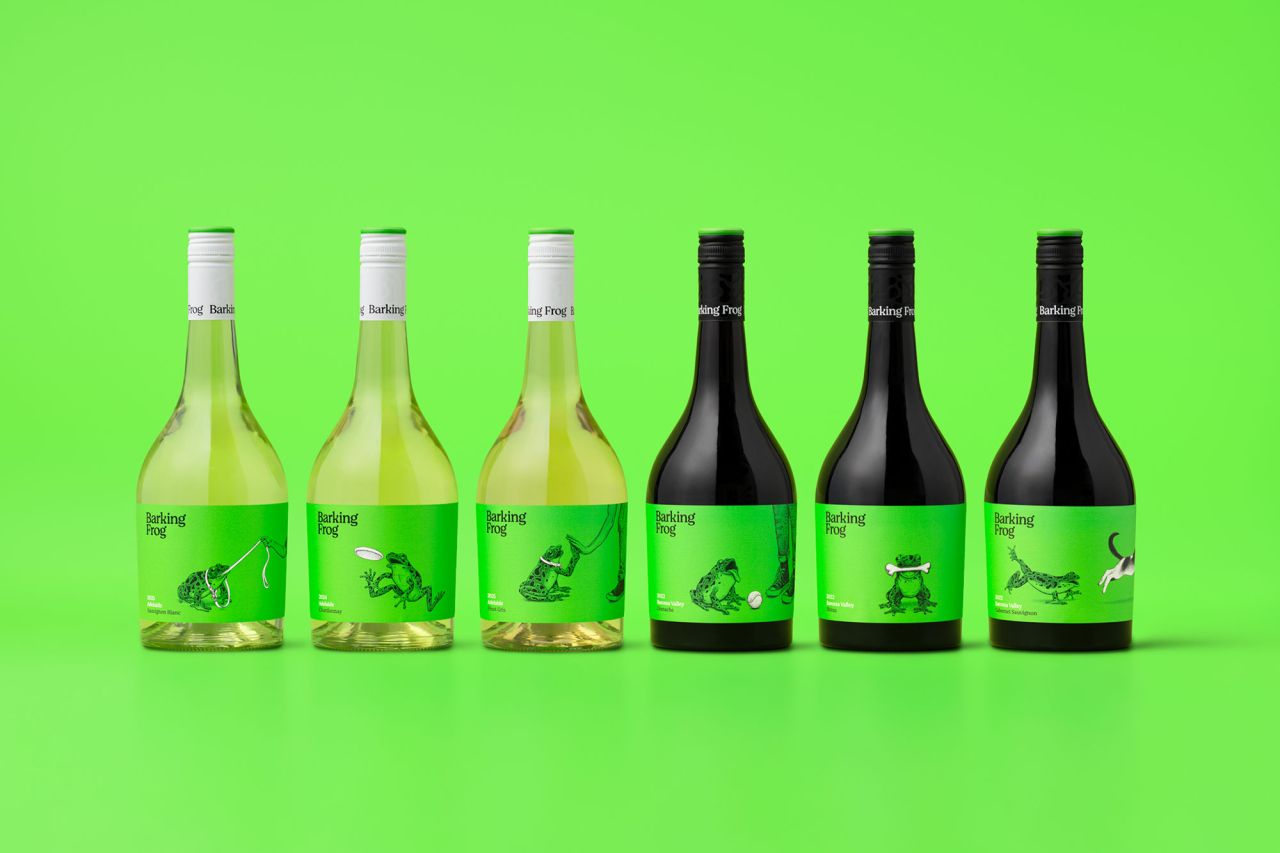
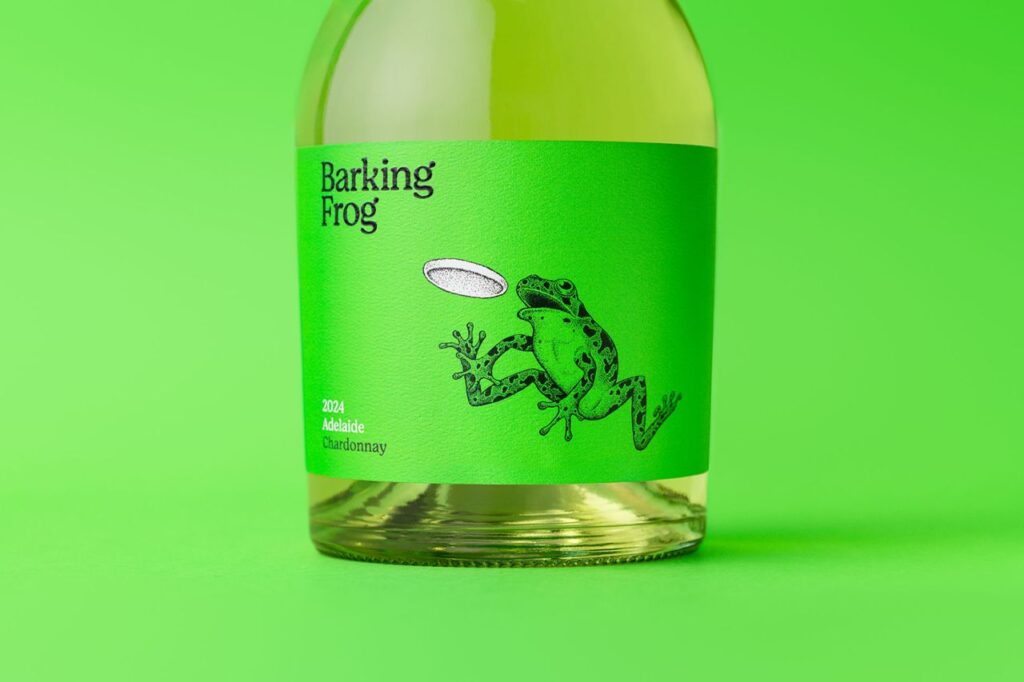
Central to this identity is Fred, the brand’s mischievous mascot. Fred is not an ordinary frog. In the imaginative world created by the brand’s designers, he behaves more like a dog than an amphibian. He plays fetch with his human companion, tugs enthusiastically at a lead, chases neighbourhood cats and generally causes cheerful chaos. This whimsical character gives the brand a narrative hook that sets it apart from more conventional wine labels.
Brand strategists say the idea was to create a personality that consumers could instantly recognise and remember. Younger wine drinkers, particularly those new to the category, often gravitate towards brands that feel less intimidating and more entertaining. By introducing a humorous mascot and a playful storyline, Barking Frog aims to remove some of the perceived formality surrounding wine culture and make the experience feel relaxed and enjoyable.
The wines themselves are positioned as approachable and easy to drink, reflecting changing consumption habits among younger audiences. Rather than emphasising technical tasting notes or complex wine terminology, the brand focuses on accessibility and personality. Priced at approximately 25 US dollars per bottle at recommended retail, the range is designed to remain affordable for younger consumers while still signalling a level of quality and craft.
At the same time, the brand attempts to speak to the values that increasingly influence purchasing decisions among younger generations. Sustainability and environmental awareness have become important considerations for many consumers, particularly those in Gen Z and the Millennial demographic. Recognising this shift, Barking Frog has aligned itself with an environmental initiative aimed at supporting the protection of natural habitats and ecosystems.
The link between the brand and environmental conservation is deliberate. The real-life barking frog inhabits wetlands across Australia, ecosystems that are often vulnerable to environmental pressures such as land development, climate change and water management challenges. By associating the brand with habitat protection, the creators hope to reinforce the idea that wine production and environmental responsibility can coexist.
Packaging plays a significant role in communicating this message. The bottles feature a striking yet minimal label dominated by a vivid shade of bright green, immediately catching the eye on retail shelves. The simplified graphic design reflects contemporary aesthetics favoured by younger audiences, avoiding clutter while ensuring strong visual recognition.
Designers deliberately chose the bold green palette not only to evoke the frog that inspired the brand but also to create a sense of freshness and energy. The label’s minimalism contrasts with the often traditional or ornate look of many wine bottles, helping Barking Frog stand out in both physical stores and online retail spaces.
Sustainability considerations extend beyond messaging to the materials used in production. The labels are printed on eco-friendly paper, reinforcing the brand’s commitment to responsible practices. While such choices may seem small, they form part of a broader trend in the wine industry, where producers increasingly recognise the importance of environmentally conscious packaging.
For younger consumers who are accustomed to making purchasing decisions based on a brand’s broader social or environmental impact, these details can carry significant weight. A bottle that communicates both personality and purpose may be more appealing than one that focuses solely on traditional wine prestige.
Industry observers note that the emergence of brands like Barking Frog reflects wider changes within the wine market. For decades, wine branding often leaned heavily on history, geography and technical expertise. While those elements remain important for many consumers, younger drinkers are increasingly drawn to brands that tell a story, demonstrate values and engage them on a more emotional level.
Humour and playfulness, once considered unusual in the traditionally serious world of wine, are becoming more common as producers attempt to broaden their audience. Mascots, colourful labels and unconventional narratives can help demystify wine for new consumers who may otherwise feel excluded by the complexities of the category.
Barking Frog’s creators appear to have embraced this shift wholeheartedly. By combining the unexpected charm of a barking frog, a mischievous dog-like character named Fred and a commitment to environmental awareness, the brand aims to offer something more than just another bottle on the shelf.
Instead, it presents wine as part of a story—one that connects nature, humour and contemporary design in a way intended to resonate with a generation that values authenticity and creativity as much as taste.
Whether Fred’s antics and the brand’s bright green bottles will succeed in capturing lasting attention remains to be seen. Yet in a crowded marketplace, the Barking Frog has certainly made a memorable entrance, proving that sometimes the most unusual inspirations can spark the most distinctive ideas.
Discover more from Creative Brands Mag
Subscribe to get the latest posts sent to your email.













Leave a comment