


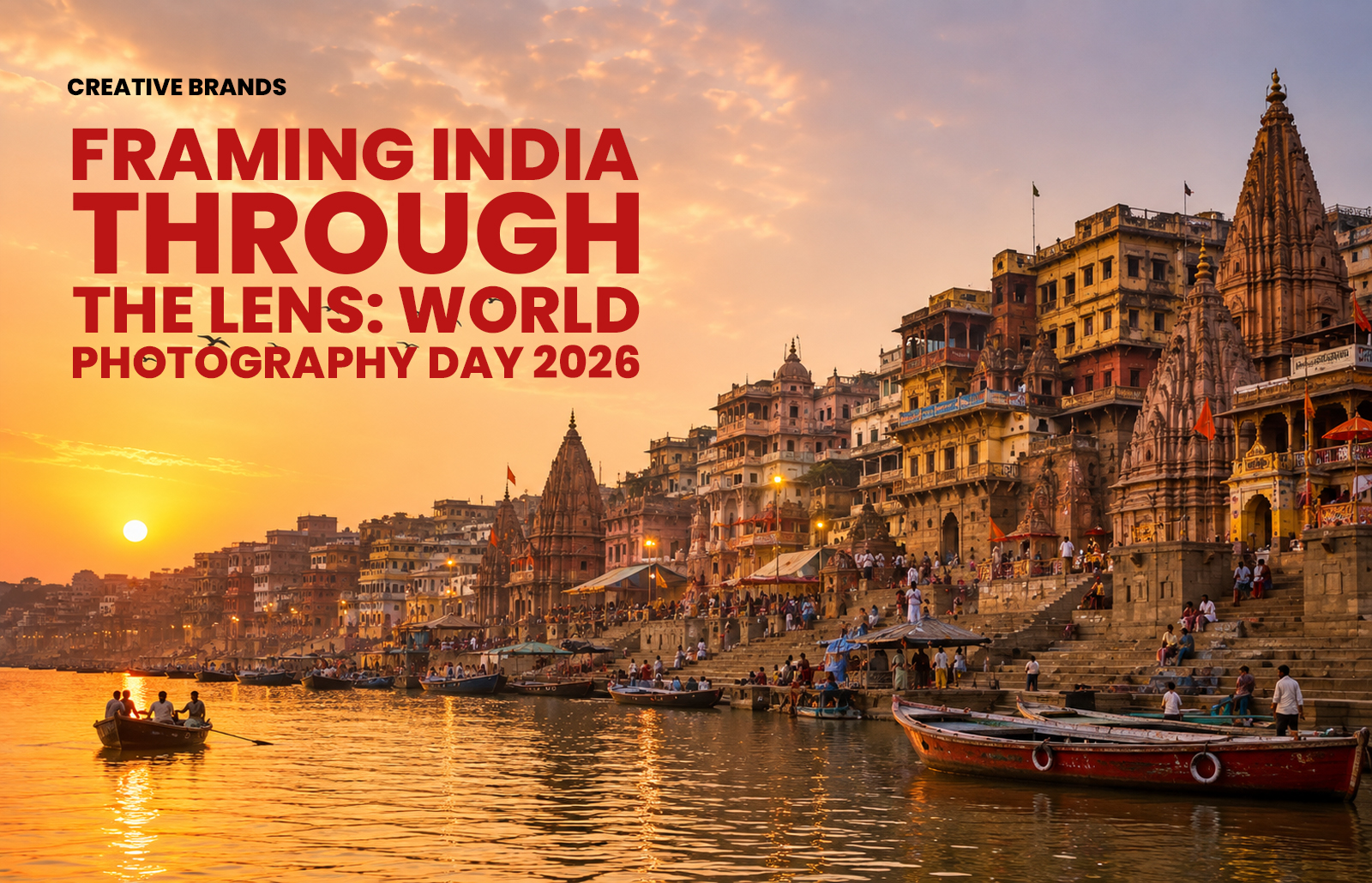
World Photography Day, celebrated on 19 August, honours the invention of the daguerreotype and the timeless art of capturing life through a lens. In India, the day resonates deeply with generations of photographers who have chronicled history, culture, and everyday life, shaping how the nation sees itself and is seen by the world.
Every year on 19 August, the world pauses to celebrate photography, marking the anniversary of the daguerreotype’s unveiling in 1839. For India, where the camera has long been both a witness and a storyteller, World Photography Day is more than a commemoration of invention—it is a tribute to those who have frozen moments that define the nation’s collective memory. From the sepia-toned portraits of the colonial era to the vibrant digital frames of today, Indian photographers have played a pivotal role in shaping the country’s visual narrative.
The history of Indian photography is inseparable from its social and political journey. Early practitioners such as Raja Deen Dayal, whose images of princely states and British India remain iconic, laid the foundation for photography as both art and documentation. Later, photojournalists like Homai Vyarawalla, India’s first woman press photographer, captured the nation’s transition from colonial rule to independence, her lens immortalising leaders and ordinary citizens alike. Their work reminds us that photography is not merely about aesthetics—it is about bearing witness.
In contemporary India, photography thrives as both profession and passion. The rise of digital platforms has democratised the craft, allowing young creators to share their vision instantly with global audiences. Campaigns such as “POCO Cameras. True To Life.” highlight how smartphones have transformed photography into an everyday language of expression. Yet, professional photographers continue to push boundaries, whether chronicling political upheavals, documenting rural life, or experimenting with fine art. Their work ensures that photography remains a bridge between tradition and innovation.
World Photography Day also underscores the importance of community. Across India, galleries host exhibitions, clubs organise photo walks, and online forums buzz with shared images tagged #WorldPhotographyDay. These celebrations are not just about showcasing talent but about fostering dialogue—between generations, between amateurs and professionals, and between diverse perspectives. In a country as vast and varied as India, photography becomes a unifying thread, weaving together stories from Kashmir to Kanyakumari.
The meaning of the day lies in gratitude: to those who have saved memories, revealed truths, and offered new ways of seeing. Indian photographers, whether chronicling the Mandal agitation in Delhi or capturing the quiet dignity of rural artisans, remind us that the camera is both tool and conscience. Their icy nerves and steady hands, as one veteran photojournalist once observed, are as vital as their artistry. In celebrating them, we celebrate the resilience and creativity of a nation that continues to frame its identity through images.
As the world marks World Photography Day 2026, India’s photographers stand at the intersection of history and modernity. They are heirs to a tradition born in the darkrooms of the 19th century and pioneers of a digital age where every click can travel across continents. Their work ensures that photography remains not just a record of life, but a living, breathing part of it.
Discover more from Creative Brands Mag
Subscribe to get the latest posts sent to your email.












Leave a comment