


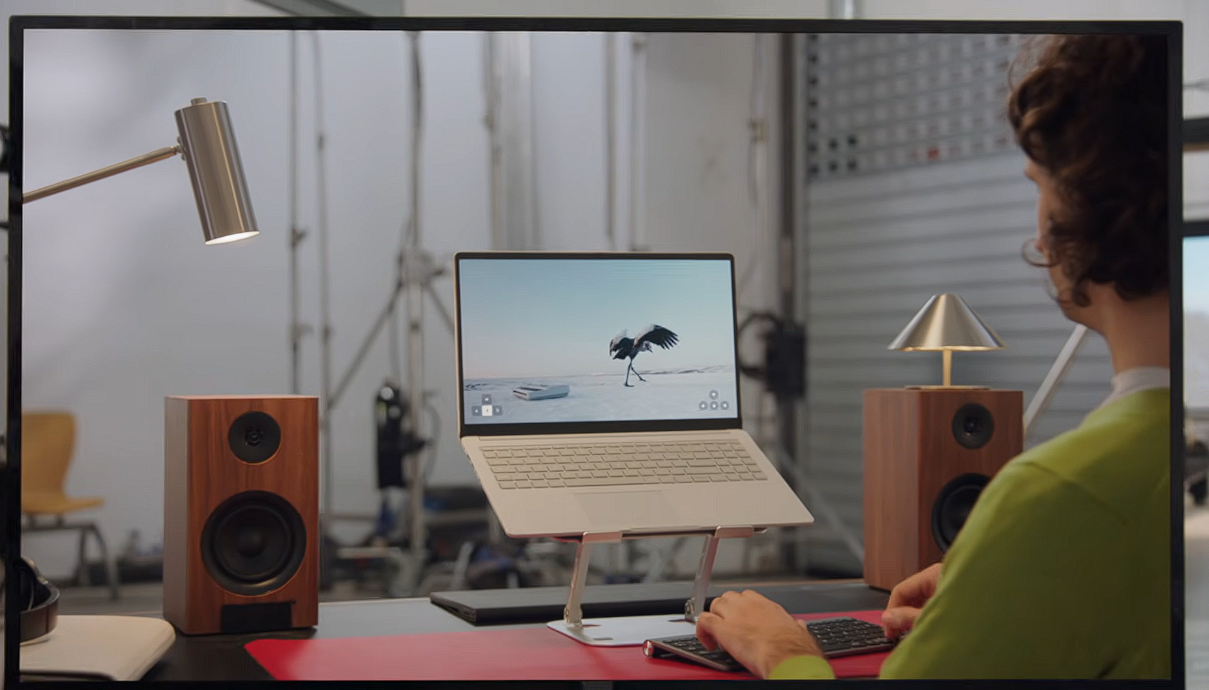
Google DeepMind has introduced Genie 4, a new AI system that creates interactive, real-time simulations rather than passive video clips. Powered by Gemini, it generates lifelike worlds with realistic physics, movement, audio and dialogue, offering potential applications in entertainment, robotics and AI research as testing begins.
Google DeepMind has unveiled Genie 4, a new artificial intelligence system designed to move beyond traditional video generation by creating interactive, living simulations that users can actively explore and influence.
Unlike conventional AI video tools that produce a fixed sequence of images, Genie 4 combines simulation technology with the capabilities of Google’s Gemini family of AI models to generate dynamic virtual environments that respond in real time. Users can enter these digital worlds, initiate events and observe how the environment reacts, creating experiences that are closer to interactive games or simulations than pre-recorded video.
According to Google DeepMind, Genie 4 is capable of maintaining complex, multi-step interactions while preserving coherence across evolving scenarios. Gemini operates behind the scenes to manage the logic and continuity of these worlds, helping to ensure that events unfold in a realistic and believable way.
The company said the technology delivers lifelike physics, natural human movement, native audio and interactive dialogue, enabling virtual characters and environments to respond more plausibly to changing conditions. The result is a simulation that not only looks realistic but also behaves in ways intended to mirror the real world.
The launch marks a significant step in the evolution of generative AI, reflecting a broader shift from static content creation towards systems capable of modelling environments and interactions. While AI-generated images and videos have become increasingly popular in recent years, Genie 4 aims to create experiences that continue to evolve after they have been generated.
Google DeepMind believes the technology could have applications well beyond entertainment. Although creative storytelling, world-building and game prototyping are among the most immediate use cases, the company also sees value in using these simulated environments as training grounds for artificial intelligence systems and robots.
Researchers could potentially use Genie 4-generated worlds to test ideas and develop new AI capabilities in safe virtual settings before deploying them in real-world situations. Similarly, robots and AI agents could practise tasks, explore environments and gain a better understanding of physical spaces through simulation, reducing the need for costly or risky real-world trials.
Such virtual training environments have long been viewed as an important component of AI development, allowing systems to learn through experimentation at scale. By combining advanced simulation with generative AI, Google DeepMind is seeking to create environments that are both realistic and highly adaptable.
The company said it has begun testing Genie 4 through a research preview programme involving selected early partners. The rollout will initially focus on gathering feedback and refining the technology before broader availability.
Google plans to make Genie 4 available to Google AI Ultra subscribers through Project Genie, while developers will gain access via the Gemini API and AI Studio in the near future.
The announcement positions Genie 4 as the latest example of Google’s efforts to push AI beyond content generation and towards systems capable of modelling and interacting with complex virtual worlds, potentially opening new possibilities for both creative industries and scientific research.
Discover more from Creative Brands Mag
Subscribe to get the latest posts sent to your email.















Leave a comment