


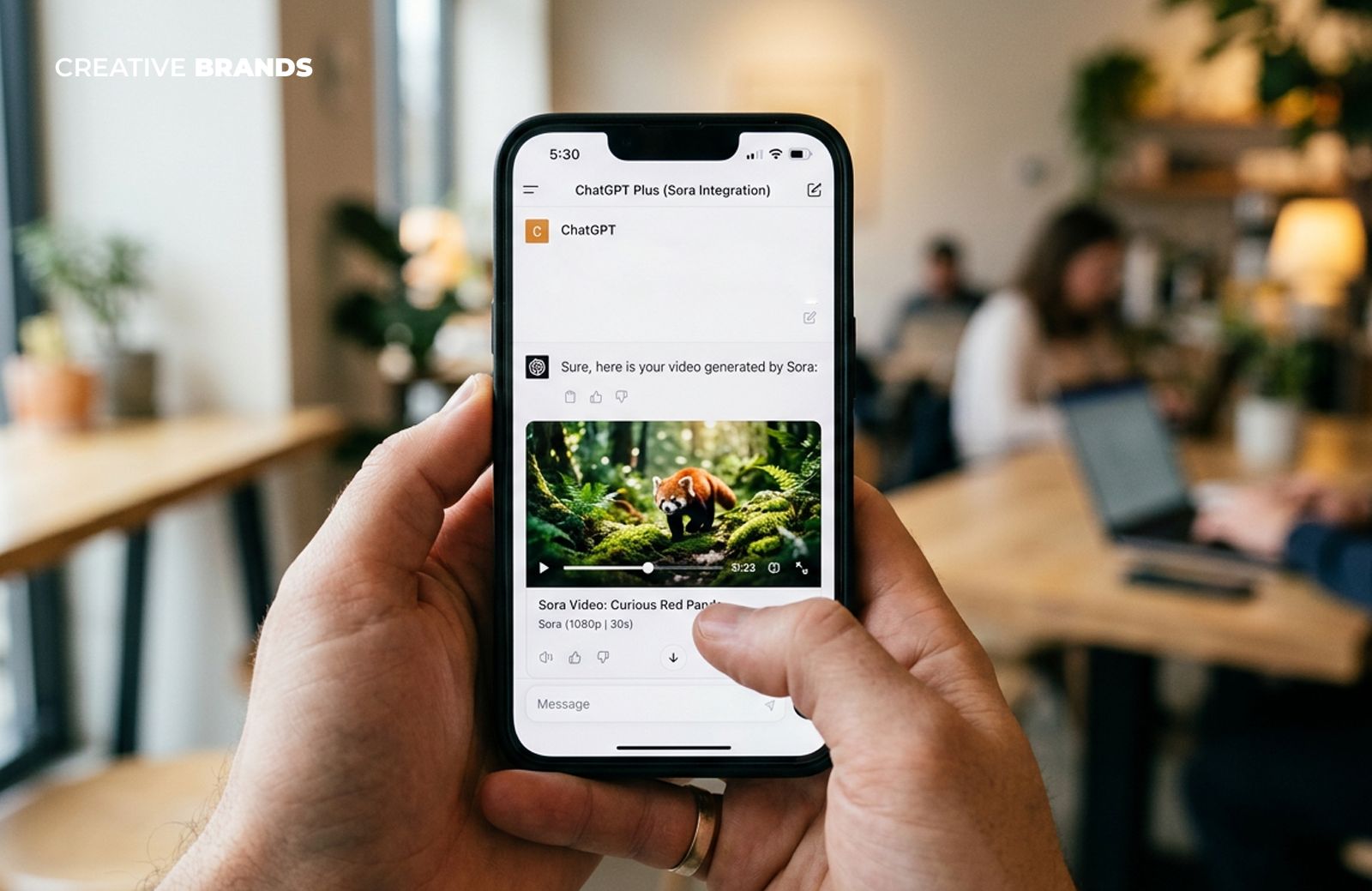
OpenAI is set to integrate its pioneering Sora video generator directly into ChatGPT, according to reports from The Information. Following Sora’s 2025 debut as a standalone competitor to TikTok, this strategic consolidation aims to transform ChatGPT into a comprehensive multimedia hub, driving user engagement and redefining the boundaries of conversational AI.
The trajectory of generative artificial intelligence has, until now, been defined by a series of fragmented breakthroughs. Users have grown accustomed to bouncing between specialised platforms: one for text, another for static imagery, and a third for the burgeoning world of synthetic video. However, under the ambitious leadership of Sam Altman, OpenAI is preparing to dismantle these digital silos. By embedding Sora, its state-of-the-art video generation engine, directly into the familiar interface of ChatGPT, the company is signalling a move toward a “super-app” philosophy that could fundamentally alter how digital content is conceived and executed.
The decision to fold Sora into the flagship platform follows a year of tactical experimentation. When Sora first launched in 2025 as a standalone application, it was positioned as a direct challenger to short-form video giants like TikTok and Instagram Reels. It offered a glimpse into a future where cinematic quality was no longer the sole province of those with expensive cameras and editing suites, but belonged to anyone capable of phrasing a coherent text prompt. Yet, while the standalone app garnered significant attention and showcased the raw power of OpenAI’s video synthesis, the move to integrate it into ChatGPT suggests a broader, more holistic strategy aimed at long-term user retention and ecosystem dominance.
At the heart of this shift is the pursuit of “multimodal” dominance. In the tech industry, multimodality refers to an AI’s ability to understand and generate information across different formats—text, audio, image, and video—simultaneously. By housing Sora within ChatGPT, OpenAI is essentially giving its chatbot a “visual voice.” A user might start a session by asking for a historical summary of the Great Fire of London, request a poem in the style of Samuel Pepys, and then, with a final command, ask the AI to generate a sixty-second cinematic depiction of the event to accompany the text. This seamless workflow eliminates the friction of traditional content creation, making ChatGPT an indispensable tool for educators, marketers, and social media influencers alike.
The timing of this integration is far from coincidental. The AI sector has entered a phase of intense commoditisation, where basic text generation is no longer a sufficient differentiator for premium platforms. Competitors from Google’s Gemini to Claude and various open-source models are rapidly closing the gap in reasoning and prose. By offering high-fidelity video generation as a native feature within a conversational interface, OpenAI is creating a unique value proposition that is difficult for rivals to replicate overnight. According to industry insiders, the goal is to increase “platform stickiness”—a metric that measures how much time a user spends within a single ecosystem. If a user can perform research, draft a script, and render a video without ever leaving the ChatGPT tab, the likelihood of them migrating to a competitor’s platform diminishes significantly.
Furthermore, the integration of Sora addresses a growing demand for “human-centric” creative tools. As the creative world grapples with the implications of automation, OpenAI appears to be positioning its tools not just as replacements for human effort, but as collaborators that lower the barrier to entry for complex storytelling. The report by The Information suggests that this move is part of a wider effort to expand the platform’s audience, moving beyond tech enthusiasts and coders to reach a more mainstream demographic that prioritises visual communication over long-form text. In a digital landscape where video is the undisputed king of engagement, providing a “one-click” movie studio is a potent lure for the next generation of digital natives.
However, the move is not without its challenges. The computational power required to generate high-definition video is immense, far exceeding the resources needed for text or even static image generation. Scaling this technology to ChatGPT’s hundreds of millions of users will require unprecedented infrastructure management. There are also significant ethical and safety hurdles to clear. The potential for “deepfakes” and misinformation remains a primary concern for regulators worldwide. By bringing Sora into its most public-facing product, OpenAI will be under intense scrutiny to ensure that its guardrails are robust enough to prevent the creation of harmful or deceptive content. The company has previously stated its commitment to watermarking AI-generated media, but as the technology becomes more accessible, the battle against digital forgery becomes increasingly complex.
Despite these hurdles, the momentum behind Altman’s vision seems unstoppable. The transition of Sora from a niche, standalone experiment to a core feature of the world’s most famous AI represents a maturing of the technology. It suggests that OpenAI is confident enough in Sora’s stability and safety to expose it to the masses. For the average user, the implications are profound. The ability to manifest a visual thought into a high-quality video in real-time was, until very recently, the stuff of science fiction. Now, it is becoming a standard feature of a digital assistant.
As we look toward the latter half of 2026, the boundaries between different forms of media are becoming increasingly blurred. The integration of Sora into ChatGPT marks the end of the “text-only” era of artificial intelligence. We are entering a period where the AI is not just a librarian or a writer, but a director and a cinematographer. For OpenAI, the hope is that by weaving video into the fabric of daily digital conversation, they can secure ChatGPT’s position as the central operating system for the creative mind. Whether this consolidation will lead to a new golden age of democratic creativity or a landscape overwhelmed by synthetic media remains to be seen, but one thing is certain: the “most beautiful journey” of AI development is currently being rendered in high definition.
Discover more from Creative Brands Mag
Subscribe to get the latest posts sent to your email.












Leave a comment