


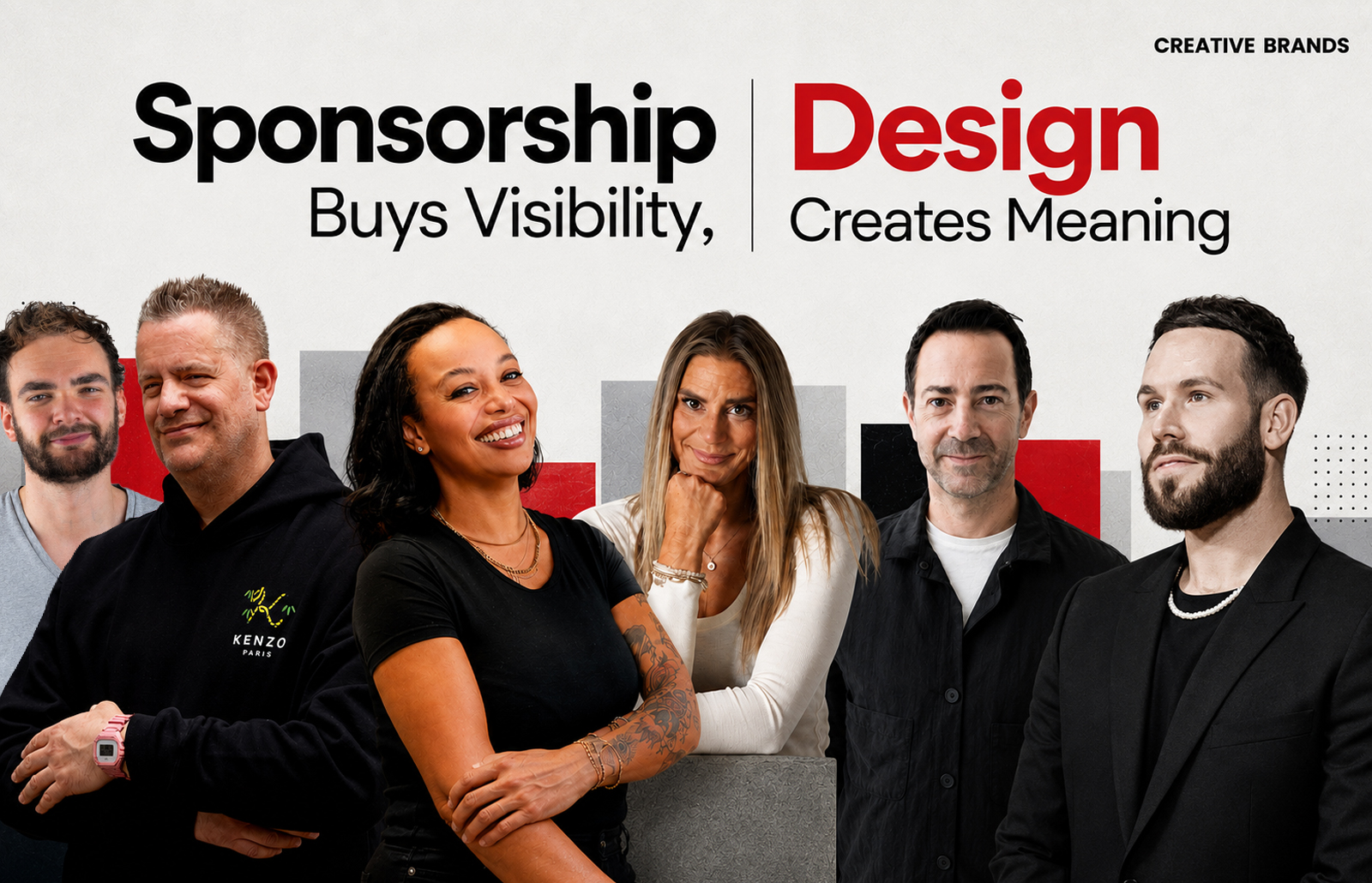
London Packaging Week spotlighted how global cultural moments like the FIFA World Cup are reshaping branding. Industry leaders argued that relevance comes not from sponsorship but from authentic cultural participation. Packaging, collaborations and creative storytelling are now central to how brands earn legitimacy, connect locally, and endure beyond visibility.
Every four years, the FIFA World Cup transforms daily rhythms into a shared global broadcast. Yet, as creative leaders at London Packaging Week emphasised, shared attention does not equate to shared meaning. Brands that endure are those that contribute to culture rather than merely sponsor it, finding resonance in local contexts while participating in global narratives.
Nick Vaus of Free The Birds noted that cultural relevance cannot be built through a singular global strategy. “Relevance is built through shared meaning,” he explained. “The strongest brands don’t impose themselves onto culture; they find where they naturally fit within it.” This shift underscores that global consistency alone is insufficient; brands must adapt to local rituals, emotions and codes.
Matt Down of Deuce Studio highlighted football’s universality as a lesson for branding. Campaigns like Adidas’ Backyard Legends succeed because they tap into familiar experiences—playing football with friends—while allowing each culture to tell its own story. “A brand keeps its relevance not by flattening everyone into one global message, but by creating space for local expression,” he said.
Natalie Alexander of Butterfly Cannon reinforced the importance of balancing local nuance with universal emotion. Fans’ rituals, superstitions and banter differ across communities, but shared truths unite them. Packaging and design, she argued, must capture this emotional texture rather than simply commemorate events. “The best World Cup limited editions don’t talk to football fans. They talk like football fans.”
David Beare of Bulletproof stressed legitimacy over visibility. “The brands that succeed are rarely the ones that simply sponsor the event. They earn their place inside the culture.” Examples like Palace x Nike’s England collaboration demonstrate how fashion, sport and identity collide to create powerful cultural infrastructure.
Adam Ryan of Pentawards observed that packaging now plays a pivotal role in cultural participation. Limited editions and collaborations are increasingly designed to be kept, shared and remembered, extending relevance beyond advertising. Coca-Cola’s partnership with Panini, rooted in the fan ritual of collecting stickers, exemplifies how brands build upon existing behaviours rather than inventing new ones.
As Boma Krijgsman of Thirst concluded, the most effective campaigns reflect how football already lives in everyday contexts—stadiums, living rooms, corner shops and street gatherings. “Limited edition packaging might get attention, but culture is what creates connection,” she said.
London Packaging Week revealed a defining shift: sponsorship buys visibility, but design creates meaning. In cultural moments like the World Cup, the brands that matter are those that contribute something audiences would miss if they were absent. Long after the final whistle, it is meaning—not visibility—that endures.
Discover more from Creative Brands Mag
Subscribe to get the latest posts sent to your email.












Leave a comment