


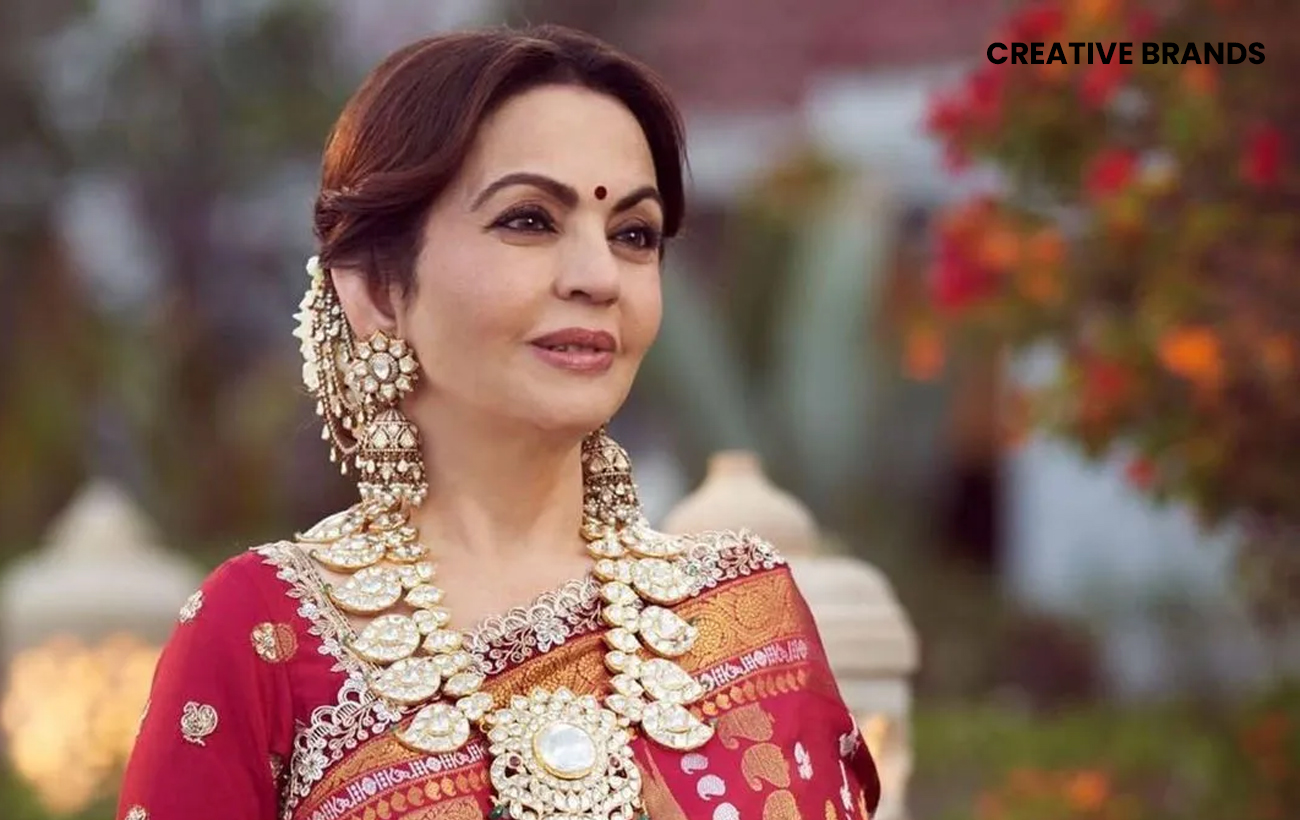
At the TIME100 Summit, Nita Ambani emphasised India’s role in shaping the global future through soft power rather than hard power. Highlighting culture, creativity, and compassion as India’s strengths, she urged the world to embrace dialogue and shared values over dominance, positioning India as a beacon of influence through humanity.
Speaking at the prestigious TIME100 Summit, Nita Ambani, philanthropist and cultural leader, articulated a vision of India’s global role rooted in soft power rather than hard power. “I just feel that the world does not need any hard power. It needs soft power,” she declared, underscoring the importance of influence through culture, values, and human connection rather than military or economic dominance.
Ambani’s remarks resonated with the Summit’s theme of reimagining leadership in a fractured world. She positioned India as a nation uniquely equipped to shape the global narrative through its traditions of inclusivity, spirituality, and creativity. From yoga and Ayurveda to cinema and digital innovation, India’s contributions, she argued, embody the essence of soft power—an ability to inspire, unite, and transform without coercion.
Her intervention came at a time when global debates increasingly centre on the balance between hard power strategies and the subtler, enduring impact of cultural diplomacy. Ambani suggested that India’s rise on the world stage must be defined not by confrontation but by collaboration. “Soft power is about dialogue, compassion, and shared humanity,” she noted, framing India’s role as a bridge between diverse cultures and perspectives.
The TIME100 Summit, which convenes leaders, thinkers, and changemakers from across the globe, provided a fitting platform for Ambani’s message. Her words reflected a growing recognition that India’s influence lies not only in its economic growth or geopolitical positioning but in its ability to project values that resonate universally. By championing soft power, she placed emphasis on India’s cultural heritage, creative industries, and people-centric initiatives as vehicles for global impact.
Ambani’s perspective also aligns with India’s broader diplomatic approach, which increasingly leverages cultural exchanges, educational partnerships, and creative collaborations to strengthen international ties. Whether through the global popularity of Indian cinema, the spread of yoga and wellness practices, or India’s leadership in digital innovation, the country’s soft power footprint continues to expand.
Her remarks at the Summit were not merely philosophical but deeply practical. In a world facing polarisation, climate challenges, and technological disruption, Ambani argued that soft power offers a sustainable path forward. It is about building trust, fostering empathy, and creating shared spaces for dialogue. For India, she suggested, this is not a new role but a continuation of its civilisational ethos—an ethos that values harmony over conflict and collective progress over individual gain.
By placing soft power at the centre of India’s global vision, Ambani’s intervention at the TIME100 Summit highlighted a future where influence is measured not by dominance but by the ability to inspire. Her words captured the spirit of a nation that seeks to lead by example, offering the world a model of power rooted in humanity, creativity, and compassion.
Discover more from Creative Brands Mag
Subscribe to get the latest posts sent to your email.
















Leave a comment