


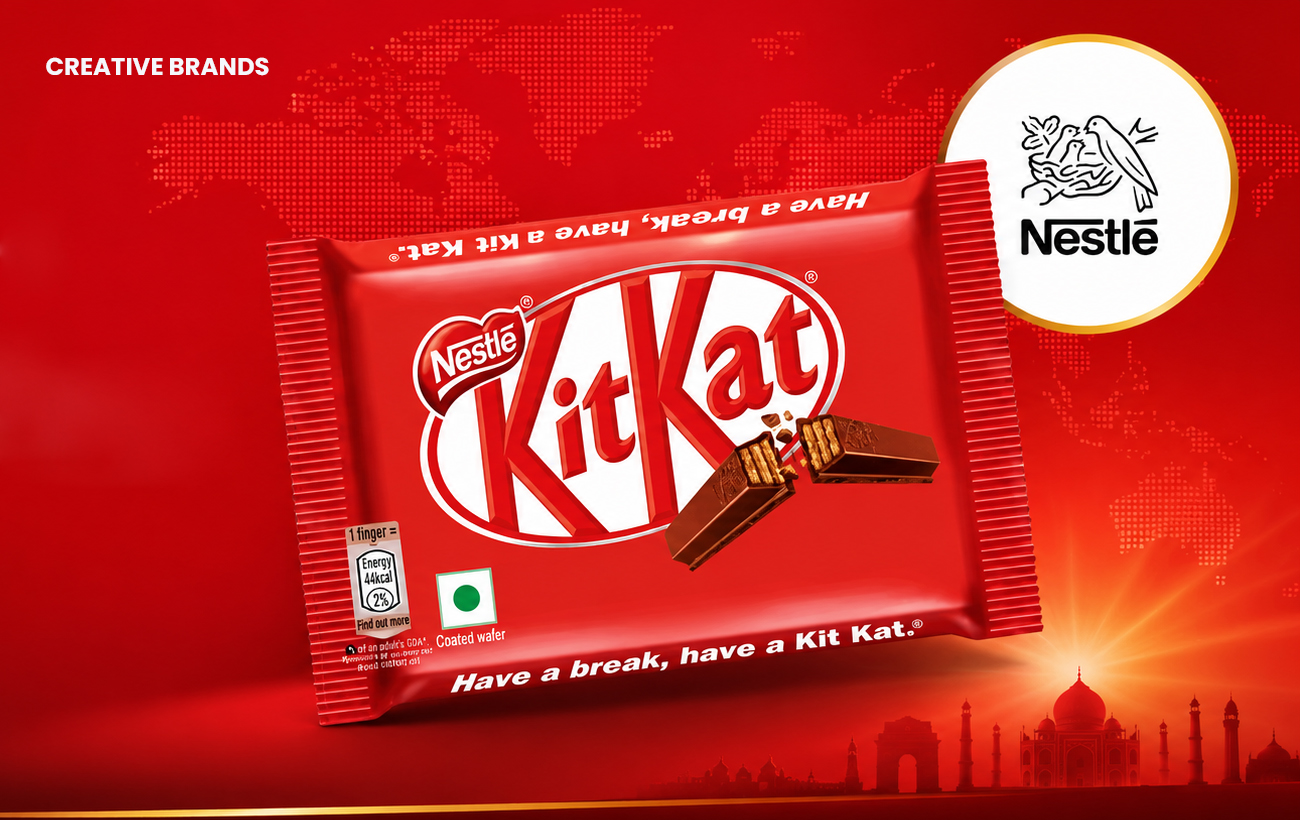
India has emerged as the biggest global market for KitKat, marking a defining milestone for Nestlé and underscoring the country’s growing influence in shaping global consumer trends. A decade ago, India ranked 10th worldwide for the brand. Today, it leads across more than 85 countries, reflecting a remarkable transformation in consumer engagement and market dynamics.
Nestlé attributes this success to a multi-pronged strategy that combined deeper consumer penetration with a steady stream of product innovations. Launches such as KitKat Pops, Celebreak and Delights have broadened the brand’s appeal, catering to evolving tastes and creating fresh consumption occasions. These innovations have been supported by increased marketing investments, ensuring KitKat’s visibility across both urban and rural markets. The company has also strengthened retail presence, making the brand more accessible to diverse consumer segments, from metropolitan shoppers to small-town buyers.
The achievement is particularly significant as KitKat becomes the second Nestlé brand, after Maggi, to see India emerge as its largest global market. Maggi’s dominance in India has long been a case study in brand localisation and consumer loyalty, and KitKat’s rise mirrors that trajectory, albeit in the confectionery space. Together, the two brands highlight Nestlé’s ability to embed itself in India’s everyday consumption habits, spanning both savoury and sweet categories.
Industry observers note that India’s demographic profile, with its young population and expanding middle class, has created fertile ground for confectionery growth. Rising disposable incomes, aspirational lifestyles and the blending of global and local tastes have all contributed to KitKat’s surge. The brand’s marketing campaigns, often centred on moments of indulgence and sharing, have resonated strongly with Indian consumers, reinforcing its cultural relevance.
Nestlé’s focus on rural penetration has also played a crucial role. By ensuring availability in smaller towns and villages, the company has tapped into vast new markets, extending KitKat’s reach beyond traditional urban strongholds. This strategy reflects a broader trend in FMCG, where rural India is increasingly seen as a growth engine.
For Nestlé, India’s ascent as KitKat’s largest market is not just a numerical milestone but a strategic pivot. It positions the country as a testing ground for future innovations and a hub for global growth. The achievement underscores how India is no longer merely a participant in global consumer trends but a leader shaping them.
India has overtaken 85+ countries to become KitKat’s largest global market, a leap from 10th place a decade ago. Nestlé credits new launches, deeper consumer reach, stronger retail visibility and marketing investments. KitKat now joins Maggi as the second Nestlé brand with India as its biggest market, underscoring India’s global influence.
Discover more from Creative Brands Mag
Subscribe to get the latest posts sent to your email.












Leave a comment