


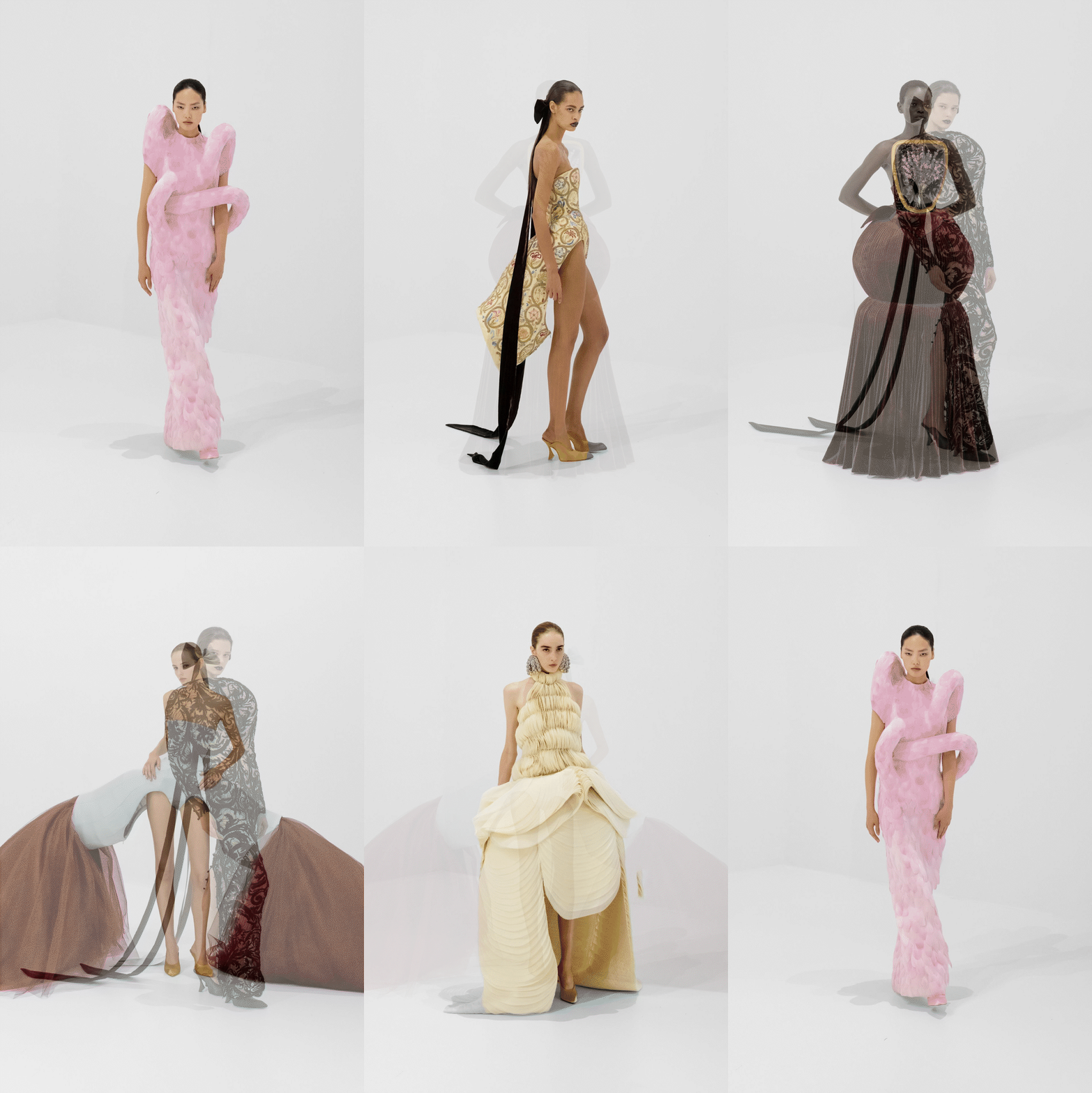
Jean Paul Gaultier’s Fall/Winter 2026 Haute Couture collection, designed by Duran Lantink, fused Versailles-inspired volume with radical body experimentation. Reconfigured corsetry and 3D-scanned structures redefined couture as both historic and futuristic. The show reaffirmed Gaultier’s paradoxical identity, blending shock with chic, and sustaining its reputation as fashion’s enfant terrible.
Jean Paul Gaultier has unveiled its Haute Couture Fall/Winter 2026 collection in Paris, a presentation that reaffirmed the house’s reputation for audacity while introducing a new chapter under designer Duran Lantink. The show was a striking exploration of contrasts, merging the grandeur of Versailles-inspired volume with radical body experimentation. Lantink’s vision reconfigured corsetry through the lens of 3D-scanned structural design, creating silhouettes that felt simultaneously historic and futuristic. The result was a collection that challenged the boundaries of couture, balancing architectural precision with sensual provocation.
Founded in 1976 by its eponymous creator, Jean Paul Gaultier has long embodied the paradox of Parisian fashion. The house thrives on contradiction, blending the codes of French elegance with iconoclastic rebellion, couture craftsmanship with urban sensibility, shock with chic. This latest collection continued that tradition, offering garments that were both technically rigorous and conceptually daring. The Versailles references were not nostalgic reproductions but reinterpretations, with panniers and exaggerated skirts reimagined through digital scanning and structural innovation. Corsetry, a recurring motif in Gaultier’s history, was dismantled and rebuilt, its restrictive associations transformed into sculptural freedom.
Lantink’s approach underscored the house’s enduring ability to provoke and inspire. The garments were not simply clothes but statements, interrogating the relationship between body and garment, tradition and technology. The fusion of historical volume with radical experimentation created a tension that was both unsettling and exhilarating. Audiences were confronted with couture that questioned the very notion of beauty, offering forms that were distorted yet compelling, theatrical yet intimate. It was a reminder that Gaultier’s legacy lies not in conformity but in defiance.
The show also reaffirmed the house’s cultural position as the “enfant terrible” of French fashion. Gaultier’s reputation for bold tailoring and nonconformist stances has always been more than a label; it is a philosophy that continues to resonate across generations. Lantink’s collection honoured that spirit, pushing boundaries while maintaining the timeless charm that has made Gaultier a global icon. The interplay of shock and chic was evident in every look, from the exaggerated silhouettes to the intricate detailing that fused artisanal craftsmanship with digital precision.
What emerged was a vision of couture that is both rooted in history and propelled into the future. By embracing Versailles grandeur and radical experimentation, Gaultier demonstrated that couture remains a space for innovation, rebellion, and imagination. The Fall/Winter 2026 collection was not just a fashion show but a manifesto, declaring that couture can be both a reflection of heritage and a laboratory for transformation. In Lantink’s hands, Gaultier continues to inspire a vast and diverse audience, proving that the house’s paradoxical identity is its greatest strength.
Discover more from Creative Brands Mag
Subscribe to get the latest posts sent to your email.














Leave a comment