


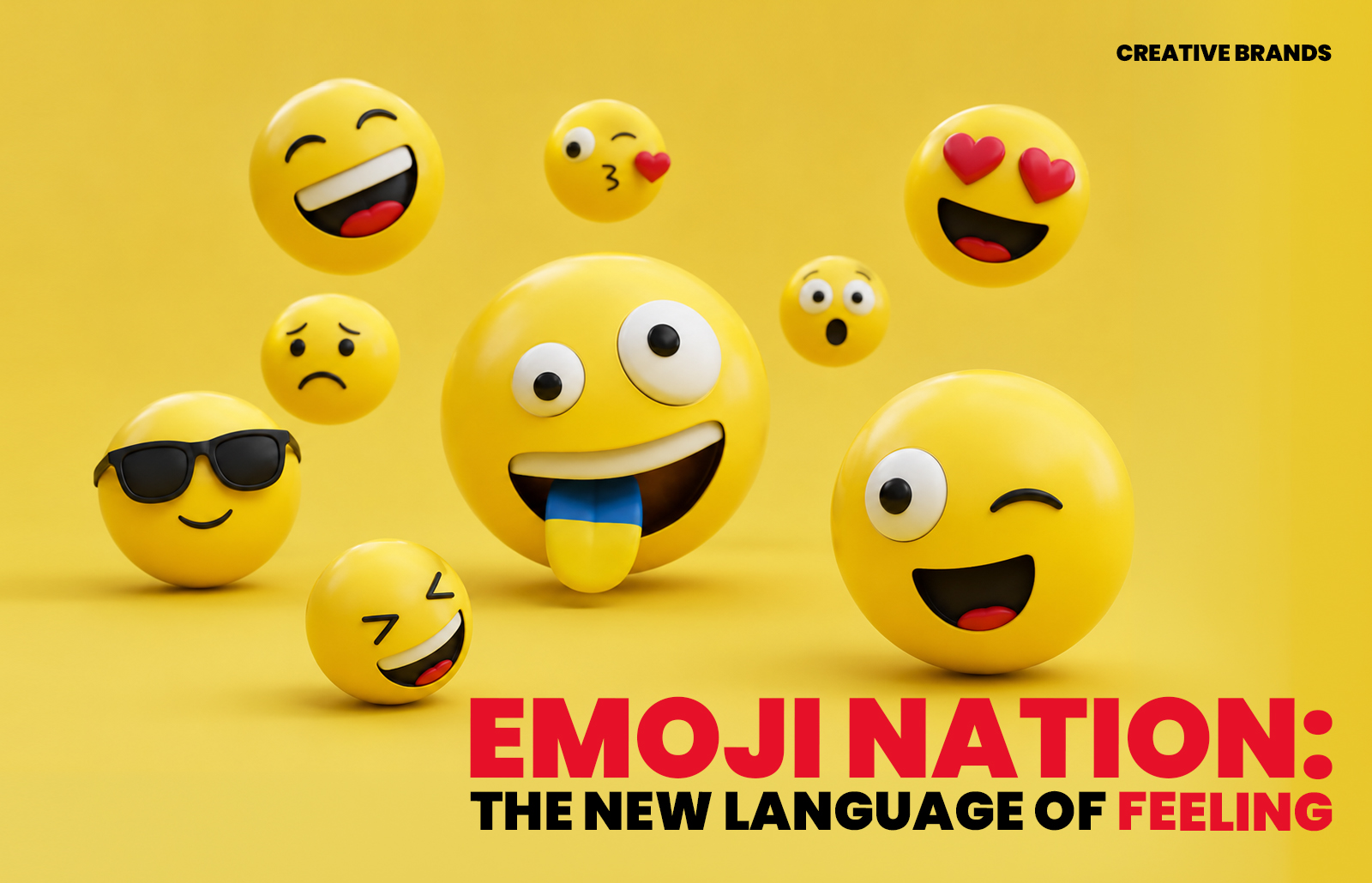
World Emoji Day, observed on 17 July, celebrates the extraordinary rise of emojis as a language of emotion. Once playful icons, they now convey genuine feelings across cultures. From joy and sorrow to subtle nuance, emojis have become shorthand for human connection, reshaping communication in the digital era.
Emojis have travelled a remarkable journey from quirky digital embellishments to a recognised language of emotion, celebrated globally on World Emoji Day each 17 July. What began as a handful of simple pictograms has evolved into a vast lexicon of symbols, capable of expressing thoughts and feelings with immediacy and precision that words often fail to achieve.
The smiley face, once the emblem of light-hearted digital chatter, now sits alongside icons that convey complex emotions such as empathy, frustration, or solidarity. In their simplicity lies their power: emojis transcend linguistic boundaries, allowing people from diverse cultures to share authentic emotional thoughts without the constraints of vocabulary or grammar. They have democratised communication, offering a universally understood toolkit for expression in a world increasingly defined by digital interaction.
Their rise reflects the demands of modern communication, where brevity and nuance must coexist. A single emoji can soften a blunt remark, inject humour into a serious exchange, or convey compassion in silence. In many cases, emojis provide the emotional subtext that text alone cannot deliver. They have become indispensable in shaping online discourse, with individuals, communities, and even global brands adopting them to connect more meaningfully with audiences.
The cultural impact of emojis is profound. They are no longer confined to personal messaging but have entered the realms of marketing, politics, and art. Campaigns and advertisements frequently employ emojis to capture attention and resonate with younger audiences, while social movements have harnessed them to symbolise solidarity and shared purpose. Their versatility has ensured that emojis are not merely decorative but integral to the way we communicate in the digital age.
World Emoji Day is more than a celebration of colourful icons; it is a recognition of how communication itself has transformed. In a world where speed often dictates interaction, emojis offer richness and depth, proving that sometimes a picture truly is worth a thousand words. They have become vessels of emotion, bridging the gap between technology and humanity, and reminding us that even in the digital sphere, the need to express feelings remains timeless.
As emojis continue to evolve, with new symbols added to reflect changing cultures and identities, their role as a language of emotions will only deepen. World Emoji Day serves as a reminder that communication is not solely about words but about connection — and in that connection, emojis have found their place as the language of the heart.
Discover more from Creative Brands Mag
Subscribe to get the latest posts sent to your email.
















Leave a comment