



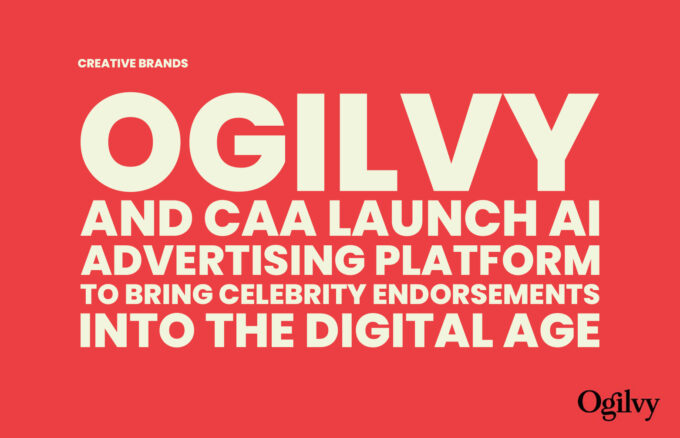
Consumers are not turning away from AI-generated advertising, but from a lack of transparency and consent. New research suggests explicit consent significantly improves audience reception. Against this backdrop, Ogilvy, Creative Artists Agency and WPP Open have launched ECHO, a platform designed to scale AI creativity while safeguarding talent rights.
Consumers are often portrayed as wary of artificial intelligence in advertising, but new research suggests the issue is not AI itself. Instead, audiences are rejecting the lack of transparency and consent that can accompany its use.
According to findings released alongside the launch of a new creative platform, explicit consent can increase the appeal of advertising by more than 76%, challenging the notion that consumers are inherently resistant to AI-generated content. The research points to a growing expectation among audiences that brands should be open about how AI is used and ensure that the people whose likenesses, voices and intellectual property appear in campaigns have granted permission.
The findings form the foundation of ECHO, described as the advertising industry’s first consent-driven creative AI platform. Developed by Ogilvy in collaboration with Creative Artists Agency (CAA) and powered by WPP Open, the platform aims to address one of the most pressing issues facing marketers as generative AI becomes increasingly embedded in the creative process: how to scale content production without compromising trust, talent rights or intellectual property protection.
ECHO is designed to transform a single hero shoot into an ongoing, live content ecosystem capable of generating campaign assets in real time. Rather than relying on repeated production cycles, brands can create a core set of approved content and expand it into multiple iterations across channels, audiences and formats, dramatically increasing efficiency while maintaining creative standards.
What sets the platform apart, its creators argue, is its emphasis on consent as a core principle rather than an afterthought. Every piece of content generated through ECHO is underpinned by 100 per cent talent consent and intellectual property safeguards, ensuring that performers, creators and rights holders retain control over how their identities and assets are used.
The launch comes at a time when the advertising and entertainment industries are grappling with the opportunities and risks presented by generative AI. While the technology offers unprecedented speed and scale, concerns over deepfakes, unauthorised use of likenesses and ownership of creative work have fuelled debate among regulators, talent agencies and consumers alike.
By placing consent at the centre of its model, ECHO seeks to position AI not as a replacement for human creativity but as a tool that can extend it responsibly. Supporters of the initiative believe this approach could help bridge the trust gap that has emerged as brands race to adopt AI-powered solutions.
For advertisers, the message appears increasingly clear: consumers are willing to engage with AI-generated content when they know it has been created ethically and transparently. As the industry searches for standards that balance innovation with accountability, ECHO’s consent-first approach may offer a blueprint for how generative AI can scale creativity without sacrificing trust.
Discover more from Creative Brands Mag
Subscribe to get the latest posts sent to your email.












Leave a comment