


Kia achieved a milestone in April, overtaking Hyundai in the Korean market for the first time since 1998. Strong SUV demand lifted domestic sales by 7.9%, while global sales rose modestly to 277,188 units. Despite overseas challenges, Kia reaffirmed its eco-friendly strategy to sustain growth and resilience.
Kia has marked a historic achievement in April, surpassing Hyundai Motor in the Korean market for the first time since joining the Hyundai Motor Group in 1998. The automaker reported global sales of 277,188 vehicles, a modest 1% increase year-on-year, underscoring its ability to balance domestic strength with international resilience.
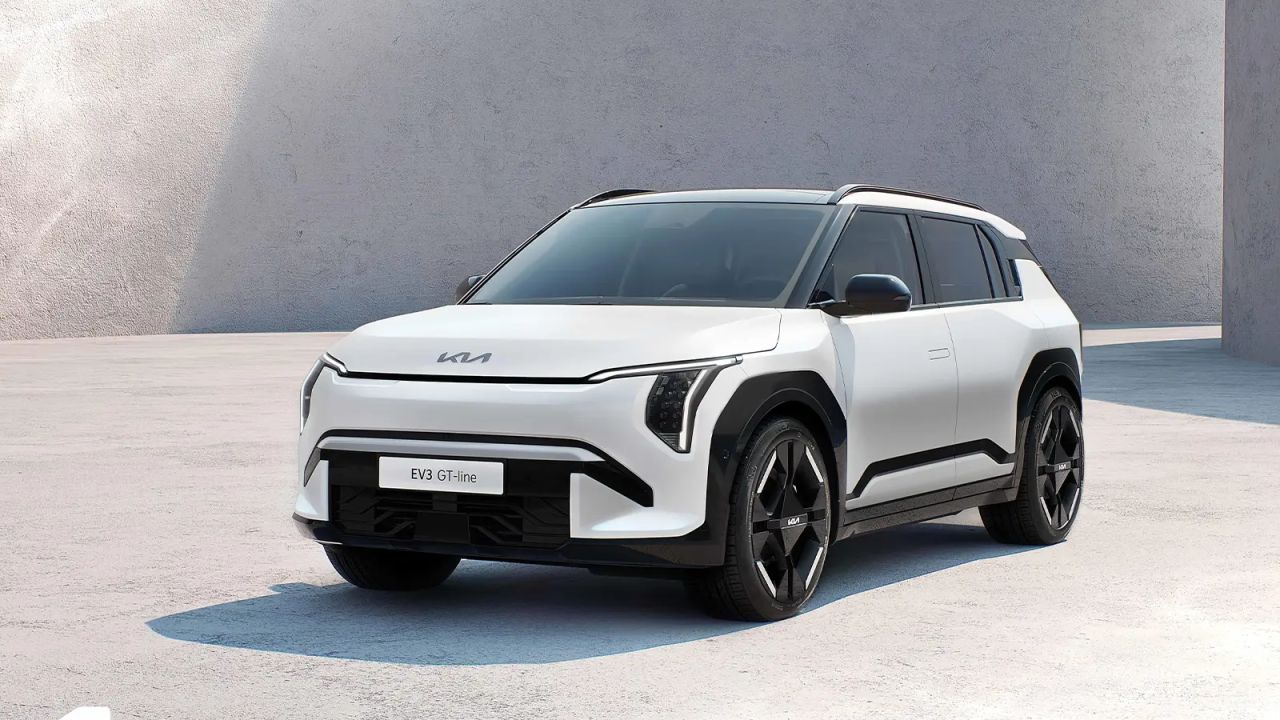
Domestic sales surged 7.9% to 55,108 units, driven by robust demand for sport utility vehicles. The Sorento led the charge with 12,078 units sold, while recreational vehicles such as the Carnival, Sportage, and the EV3 electric SUV reinforced Kia’s dominance in the segment. Passenger cars including the Ray, K5, and K8 also contributed steady volumes, highlighting the breadth of Kia’s appeal across categories.
Globally, the Sportage retained its crown as Kia’s best-selling model, with 51,458 units delivered, followed by the Seltos and Sorento. However, overseas sales dipped slightly by 0.6% to 222,080 units, reflecting weaker demand in the Middle East and Africa amid geopolitical uncertainties. Despite these regional headwinds, Kia maintained stable performance across major international markets, demonstrating its ability to withstand external pressures.
The company’s achievement in overtaking Hyundai domestically is particularly significant, given Hyundai’s longstanding dominance in Korea. Kia’s success reflects shifting consumer preferences, especially towards SUVs and electrified models, and signals the brand’s growing confidence in its home market. It also underscores the effectiveness of Kia’s product strategy, which has increasingly emphasised design innovation, technology integration, and sustainable mobility solutions.
Looking ahead, Kia reaffirmed its commitment to expanding its portfolio of eco-friendly vehicles, including electric and hybrid models. This strategy aligns with global trends towards sustainability and positions the brand to capture growth opportunities in both mature and emerging markets. By focusing on electrification and resilience, Kia aims to sustain momentum and strengthen its competitive edge in the evolving automotive landscape.
The April performance not only highlights Kia’s domestic breakthrough but also its broader ambition to consolidate global market share. As the industry navigates geopolitical challenges and shifting consumer demands, Kia’s ability to combine strong local performance with a forward-looking eco-friendly strategy may prove decisive in shaping its trajectory in the years ahead.
Discover more from Creative Brands Mag
Subscribe to get the latest posts sent to your email.
















Leave a comment