


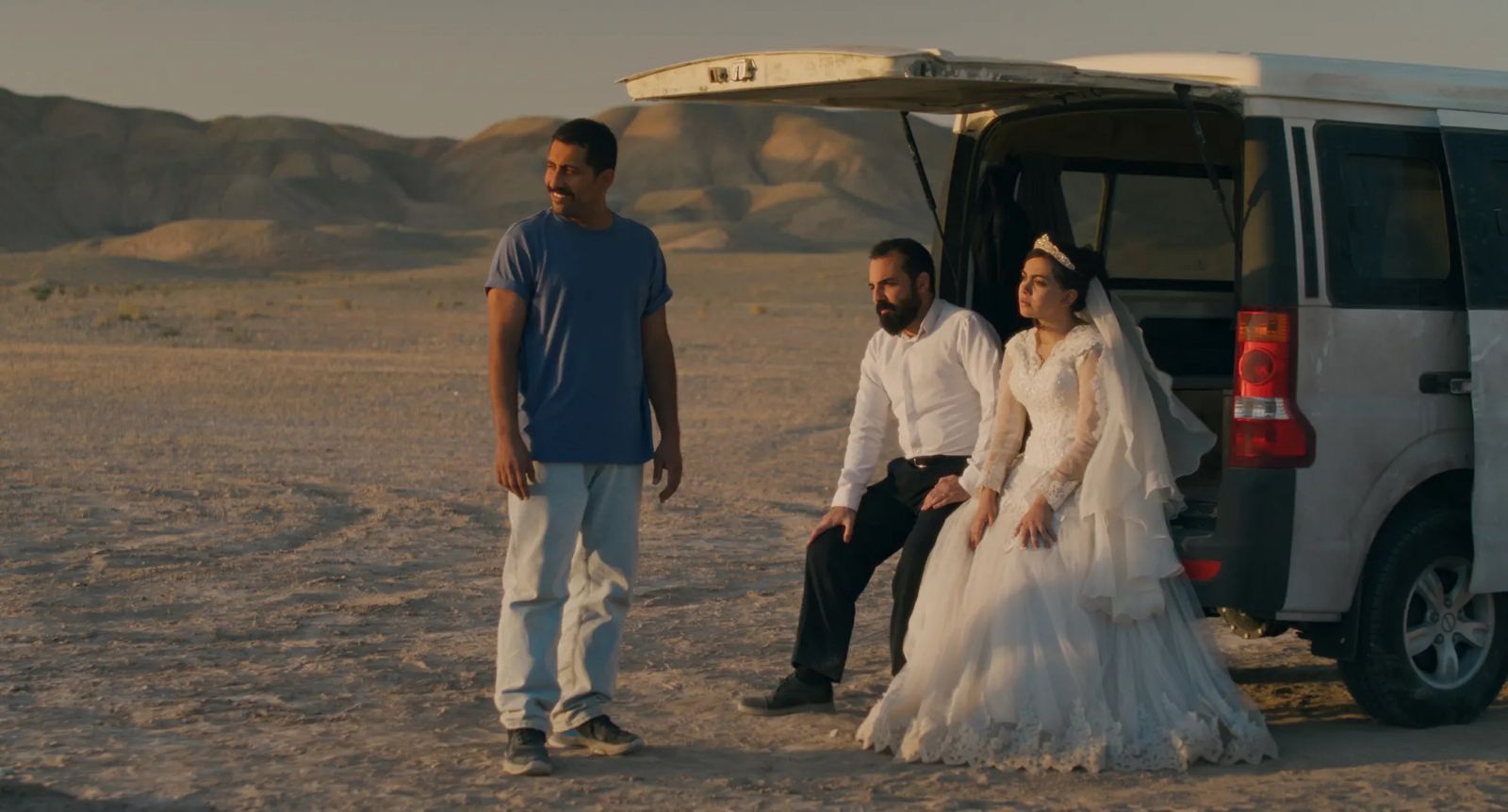
Oscar-nominated filmmakers behind several of 2026’s most acclaimed films have highlighted how Adobe’s creative tools shaped their storytelling. Editors and creators credited applications such as Premiere Pro, After Effects and Frame.io for enabling efficient workflows, seamless collaboration and the flexibility required to craft complex narratives from diverse footage sources.
As Hollywood prepares for the 98th Academy Awards, many of the year’s Oscar-nominated films share an unexpected creative thread: the extensive use of tools from Adobe’s Creative Cloud suite to shape and refine their storytelling.
Across feature films and documentaries alike, filmmakers relied on applications such as Adobe Premiere Pro, Adobe After Effects and Frame.io to manage complex post-production processes while maintaining the creative momentum needed to bring ambitious narratives to life.
Among the nominated titles are the feature films Marty Supreme and Train Dreams, alongside documentaries including The Perfect Neighbor, The Alabama Solution and Cutting Through Rocks. Editors working on these projects pointed to the flexibility of Adobe’s tools as a crucial factor in handling the demands of modern filmmaking workflows.
For the team behind Train Dreams, the editing process benefited from the adaptability of Premiere Pro, which allowed editor Parker Laramie to craft a polished offline edit early in the process. The software’s malleable workflow enabled him to shape the film’s performances and pacing while maintaining creative control over the evolving cut.
Large-scale productions also turned to collaborative features designed to streamline complex projects. Editors on Marty Supreme used the Productions feature within Premiere Pro to organise multi-project workflows and share assets between editing teams, ensuring faster collaboration across contributors working simultaneously on different sequences.
International filmmaking also benefited from these digital workflows. The Oscar-nominated film It Was Just an Accident employed Premiere Pro and After Effects within a secure proxy-based production environment, demonstrating how creative teams can maintain editorial flexibility even under restrictive conditions.
Documentary editors in particular highlighted the importance of format-agnostic editing tools. Projects like The Perfect Neighbor involved hundreds of hours of material from diverse sources, including archival footage and surveillance recordings. Premiere Pro’s ability to handle multiple file types and frame rates, along with integrated speech-to-text capabilities, helped editors transform vast raw footage into coherent narratives.
Viridiana Lieberman, editor of The Perfect Neighbor, noted that the platform’s compatibility with different formats made it easier to combine disparate sources seamlessly, allowing filmmakers to focus on emotional storytelling rather than technical limitations.
Behind these productions lies a broader trend within the film industry: the growing reliance on integrated digital tools that support every stage of production, from initial editing and visual effects to final delivery. Features such as dynamic linking between applications, multi-camera editing capabilities and remote collaboration through cloud platforms have become increasingly vital as filmmaking teams operate across locations and time zones.
As awards season reaches its peak, the creative teams behind this year’s nominated films continue to emphasise a common theme: technology should enhance, rather than hinder, storytelling. For many editors and filmmakers, Adobe’s ecosystem has become a central part of that process—providing the technical backbone that allows cinematic ideas to move swiftly from first cut to final frame.
https://blog.adobe.com/en/publish/2026/03/11/2026-oscar-nominated-filmmakers-on-why-they-chose-adobe
Discover more from Creative Brands Mag
Subscribe to get the latest posts sent to your email.














Leave a comment