


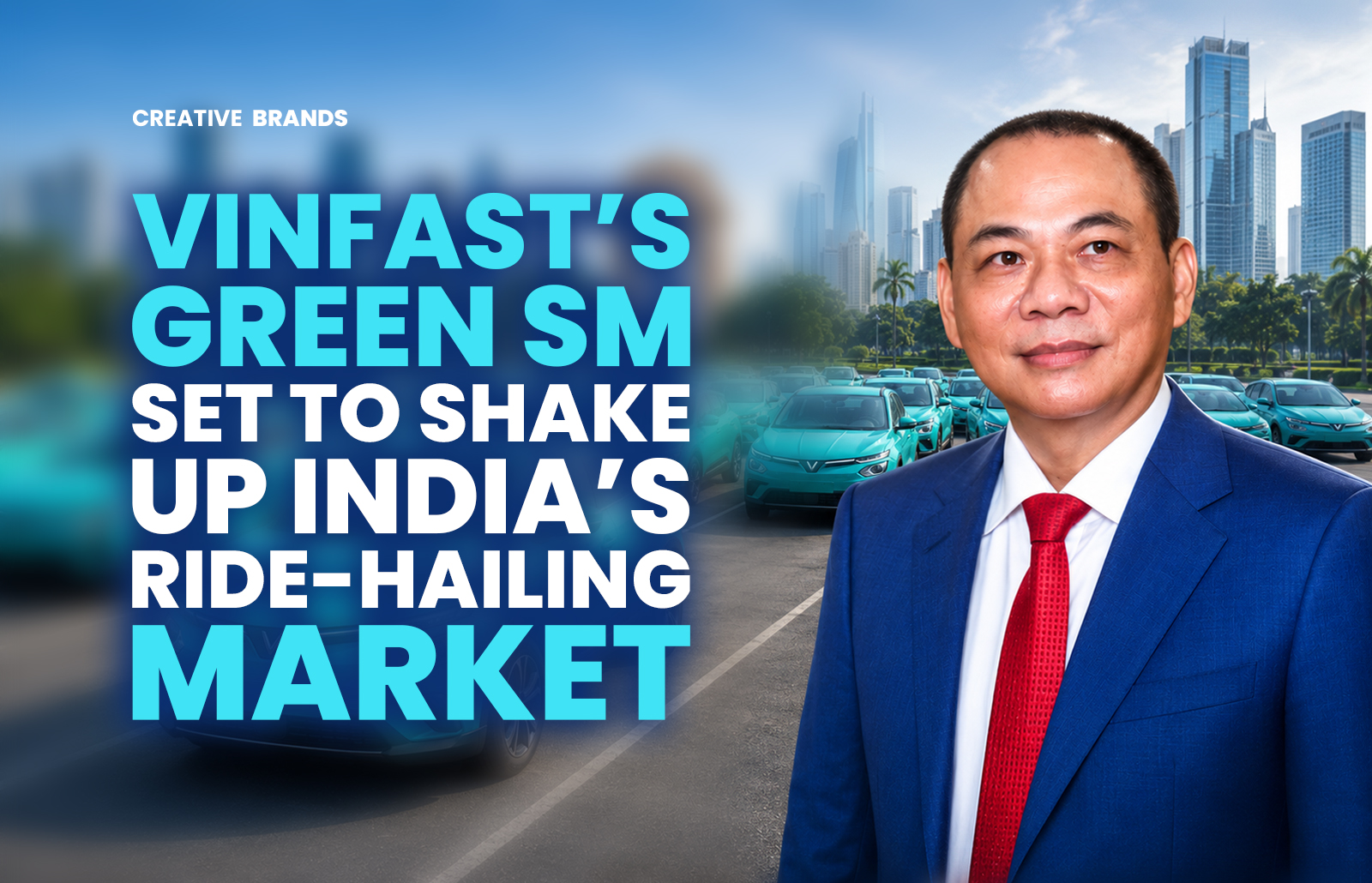
Vietnamese EV giant VINFAST, through its mobility arm Green SM, is preparing to launch electric taxi services in India with fares starting at ₹8 per kilometre. With driver recruitment underway in Delhi NCR and a fleet led by the VinFast Limo Green MPV, the initiative could disrupt Ola, Uber, and Rapido.
Vietnamese electric vehicle manufacturer VINFAST is gearing up to make a bold entry into India’s ride-hailing sector, a market currently dominated by Ola, Uber, and Rapido. Its mobility subsidiary, Green SM, is planning to roll out an electric cab service that promises affordability, sustainability, and a fresh competitive dynamic in urban transport.
According to reports, groundwork for the launch has already begun in the National Capital Region, where Green SM is conducting driver recruitment campaigns. The company is offering monthly earnings in the range of ₹35,000 to ₹40,000 for driver partners, signalling its intent to attract and retain talent in a sector often plagued by driver dissatisfaction.
At the heart of the initiative is VINFAST’s Limo Green electric MPV, expected to be a cornerstone of the fleet. Designed specifically for commercial mobility, the Limo Green boasts a claimed driving range of nearly 450 kilometres, alongside features tailored for passenger comfort and fleet efficiency. Other VINFAST EV models are also expected to join the line-up, creating a diverse fleet optimised for India’s demanding urban commute patterns.
The proposed fare structure of ₹8 per kilometre positions Green SM as a cost-effective alternative for city commuters. If implemented at scale, this pricing model could exert significant pressure on existing ride-hailing operators, who have long struggled to balance affordability with profitability. For consumers, the promise of lower fares combined with the environmental benefits of electric mobility could prove compelling.
VINFAST’s entry into India comes at a time when the country’s ride-hailing market is undergoing rapid transformation. Rising fuel costs, growing environmental awareness, and government incentives for electric mobility are reshaping consumer expectations. By offering a fully electric fleet under a direct ownership model—where vehicles and drivers are managed by the company rather than through aggregator partnerships—Green SM aims to differentiate itself on safety, service quality, and sustainability.
The strategy mirrors VINFAST’s broader global ambitions. Green SM has already expanded into multiple international markets, and India represents a critical frontier given its scale, urbanisation, and appetite for affordable mobility solutions. Success here could not only challenge entrenched players but also accelerate the adoption of electric vehicles in everyday transport.
For Ola, Uber, and Rapido, the arrival of a well-capitalised competitor with a clear sustainability agenda poses a formidable challenge. These incumbents may be forced to rethink their pricing strategies, fleet composition, and driver engagement models to maintain relevance in a market increasingly leaning towards electric mobility.
As India’s urban commuters await the rollout, VINFAST’s Green SM initiative signals more than just another entrant in the ride-hailing space. It represents a potential inflection point in how mobility services are delivered—where affordability, sustainability, and service quality converge to redefine the future of urban transport.
Discover more from Creative Brands Mag
Subscribe to get the latest posts sent to your email.
















Leave a comment