


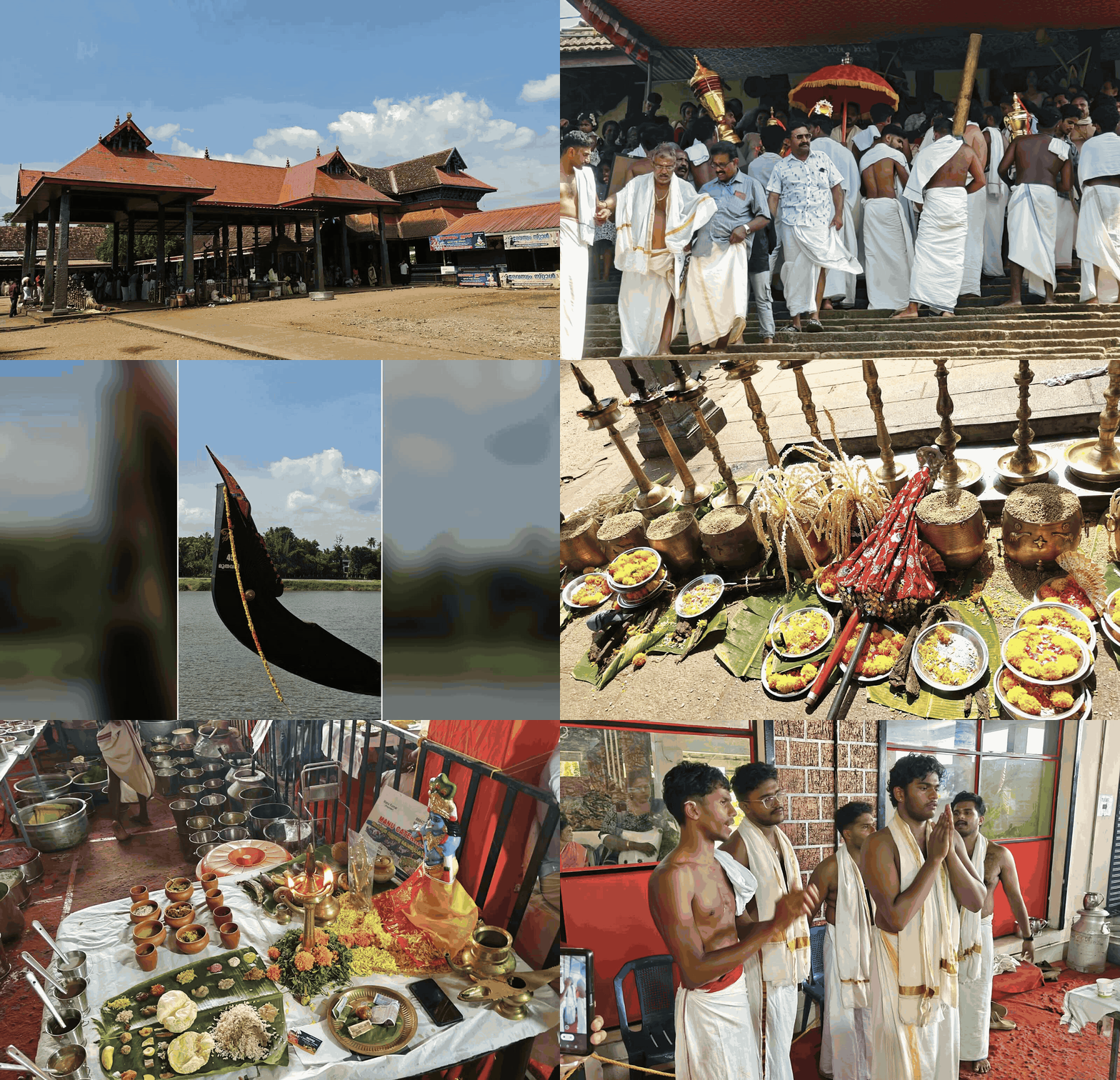
The Aranmula Vallasadya, Kerala’s legendary vegetarian feast, concludes its 2026 season on 16 September at the historic Sree Parthasarathy Temple. With over 60 dishes, rhythmic Vanchipattu chants, and the devotion of snake boat oarsmen, the celebration intertwines with Onam and Vallamkali, embodying Kerala’s spirit of hospitality, tradition, and faith.
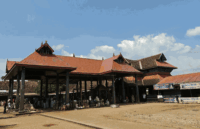
The temple town of Aranmula in Pathanamthitta district in Kerala will witness the culmination of its famed Vallasadya season on 16 September 2026. The ritual feast, recognised as one of the largest vegetarian meals in the world, had been running since 19 July, drawing thousands of devotees, visitors and cultural enthusiasts to the banks of the Pamba River.
The Vallasadya is a spectacle of scale and devotion. More than 60 dishes, sometimes extending to 70, are served on fresh banana leaves, transforming each meal into a vibrant mosaic of Kerala’s culinary heritage. Rasam, avial, thoran, pickles and payasams arrive in succession, each dish carrying the essence of tradition. The act of serving is not mere hospitality but a devotional offering, rooted in the belief that fulfilling every request pleases Lord Krishna.
The ritual is inseparable from the Palliyodams, the majestic snake boats that glide along the Pamba. Historically, the feast was offered to the oarsmen as a sacred meal, honouring their labour and spirit. Today, while the event has grown into a cultural phenomenon attracting global attention, its essence remains unchanged: a celebration of community, gratitude and faith.
Adding to the spectacle is the Vanchipattu, the rhythmic boat songs sung by the oarsmen. Seated in long rows, they chant in unison, theatrically demanding extra servings of their favourite dishes. The servers respond with swift generosity, creating a ritual of abundance and joy. The chants rise and fall like waves, filling the temple halls with a sense of unity and devotion.
This year’s Vallasadya coincided with Onam, Kerala’s harvest festival, amplifying the festive atmosphere. Floral carpets adorned homes and temple courtyards, families gathered to celebrate the return of King Mahabali, and the ideals of inclusivity and abundance resonated across both celebrations. The synergy between Onam and Vallasadya was seamless, each reinforcing the other’s spirit of shared joy.
The Aranmula Uthrattathi Boat Race, held in late August, added another dimension to the season. Snake boats, decorated with silk canopies and golden embellishments, sliced through the river in breathtaking synchrony. The chants of the oarsmen reverberated across the waters, echoing the same rhythm that filled the temple during the feast. The Vallamkali was not merely a race but a devotional offering, a spectacle of unity and strength.
Observers noted that the Vallasadya is more than food; it is theatre, ritual and philosophy woven together. It teaches that hospitality is sacred, that joy multiplies when shared, and that tradition thrives when embraced by community. For many, the experience of sitting among strangers who quickly became companions was a testament to Kerala’s famed generosity.
As the season closed, the temple bells rang and chants rose once more, marking the end of sixty days of devotion and celebration. The Aranmula Vallasadya remains not just an annual event but a living tradition, a memory that nourishes long after the last morsel has been savoured.
Discover more from Creative Brands Mag
Subscribe to get the latest posts sent to your email.











Leave a comment