


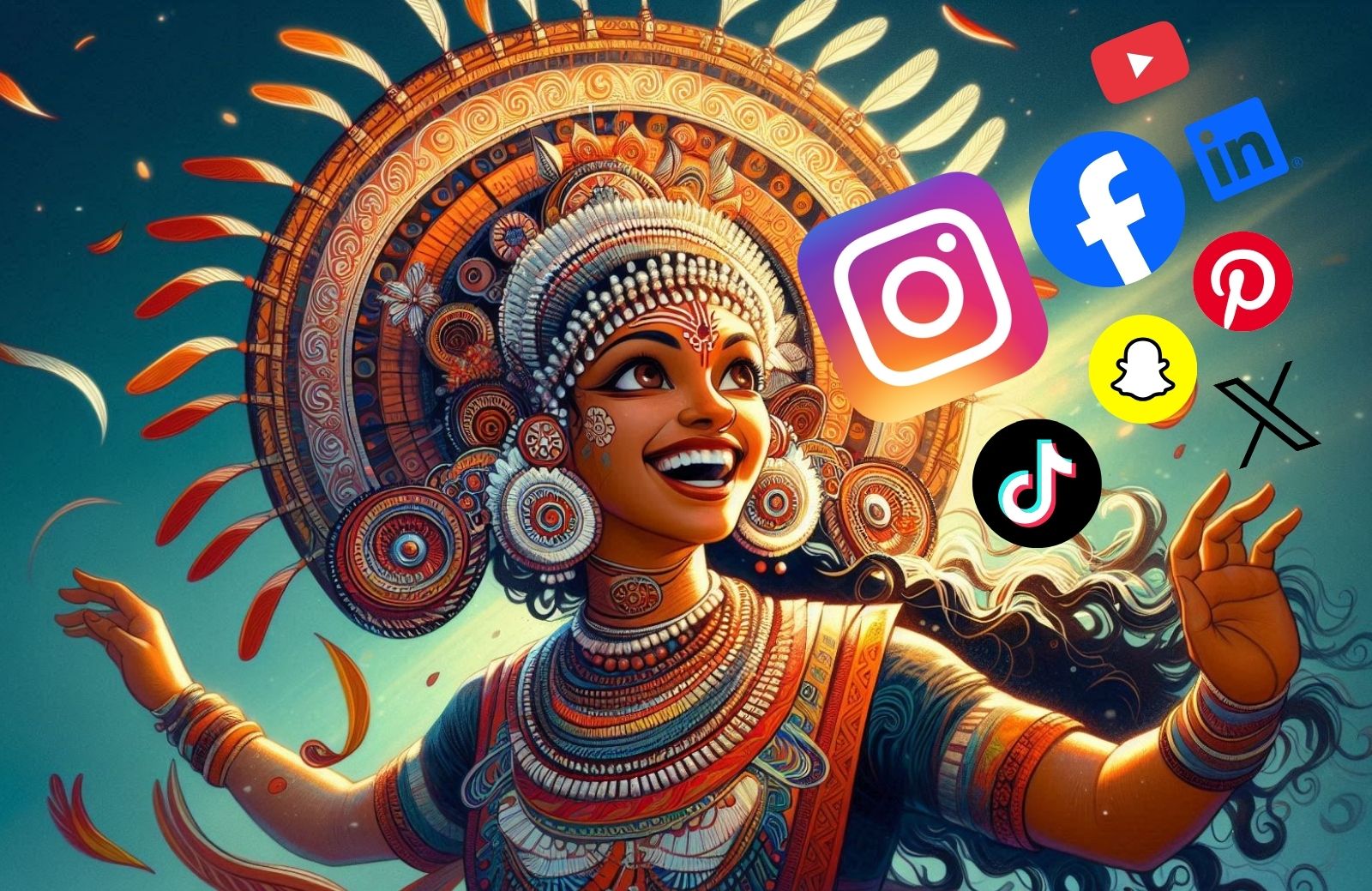
India’s digital marketing landscape is moving beyond likes, followers and impressions towards measurable brand value. Social media auditing is becoming a critical tool for businesses seeking to understand audiences, assess content performance and protect brand reputation. As platforms, algorithms and consumer behaviour evolve, brands must combine creativity, data and strategic discipline.
India’s digital marketing industry is entering a more accountable phase. The early excitement around social media was driven largely by visibility: how many followers a brand could gather, how many likes a post received and how quickly a campaign could generate impressions. Today, those measures alone are no longer enough. Brands are increasingly asking a more important question: what is social media actually doing for the business?
This shift is making social media auditing an increasingly important part of brand building. An audit provides a structured assessment of a brand’s digital presence, examining everything from content and engagement to audience behaviour, platform performance, brand consistency and reputation. More importantly, it helps businesses identify the gap between what they believe their brand represents and how audiences actually experience it online.
India presents a particularly complex environment for this transformation. The country’s digital audience is enormous, diverse and multilingual. Consumers move between Instagram, YouTube, Facebook, LinkedIn, WhatsApp and emerging platforms, often using different platforms for different purposes. A strategy that works for a metropolitan consumer may have little relevance in a smaller town. Similarly, content that performs well in one language or cultural context may fail in another.
The changing nature of algorithms has made the situation even more complicated. Organic reach can no longer be assumed, while paid visibility has become an important component of many digital strategies. Brands therefore need to understand not simply how much content they are producing, but whether that content is reaching the right people and generating meaningful responses.
This is where auditing becomes more than a reporting exercise. A serious social media audit should examine the complete digital ecosystem of a brand. It should evaluate the consistency of visual identity, tone of voice, storytelling, frequency of communication, audience sentiment, competitor activity and the effectiveness of individual platforms. It should also examine whether the brand’s social presence reflects its larger business objectives.
Data is at the centre of this new approach. Engagement rates, watch time, click-through rates, conversions, audience retention and sentiment can provide insights that traditional follower counts cannot. Artificial intelligence is further changing the process by helping marketers analyse large volumes of conversations, identify patterns and understand audience interests. Yet data alone cannot build a brand. It needs strategic interpretation.
The role of creativity is changing as well. Digital audiences are exposed to an extraordinary volume of branded communication every day. Consequently, simply publishing attractive graphics or promotional videos is unlikely to create lasting differentiation. Brands need distinctive ideas, culturally relevant storytelling and content that gives audiences a reason to stop scrolling.
Influencer marketing is also moving towards greater scrutiny. The number of followers an influencer has is becoming less important than the quality and relevance of the audience, authenticity of engagement and alignment with the brand. Social media auditing can help marketers assess whether an association genuinely contributes to brand credibility or merely produces short-term visibility.
Reputation management has emerged as another critical dimension. A brand’s digital identity is no longer controlled entirely by its marketing department. Customers, employees, creators and online communities can influence how a company is perceived. A single complaint can become a public conversation, while an authentic customer experience can become powerful brand advocacy. Monitoring these conversations has therefore become an essential part of modern brand management.
For Indian businesses, this transformation also presents an opportunity. Small and regional brands can compete with much larger companies if they understand their audiences and use digital platforms intelligently. Local stories, regional languages and community-driven content can create a level of emotional connection that large-scale advertising sometimes struggles to achieve.
The future of digital marketing in India is consequently unlikely to be defined simply by the number of platforms a brand uses. It will be defined by how intelligently those platforms are connected to a larger brand strategy. Social media will increasingly function as a source of consumer intelligence, a customer-service channel, a reputation platform and a business-development tool—not merely an advertising space.
The brands that succeed will be those willing to audit themselves continuously. They will examine what worked, understand why it worked, identify what failed and adapt before the market forces them to do so. In this new phase of digital marketing, social media auditing is not about finding faults in a brand’s online presence. It is about discovering opportunities to make the brand more relevant, consistent, measurable and ultimately more valuable.
Discover more from Creative Brands Mag
Subscribe to get the latest posts sent to your email.
















Leave a comment