


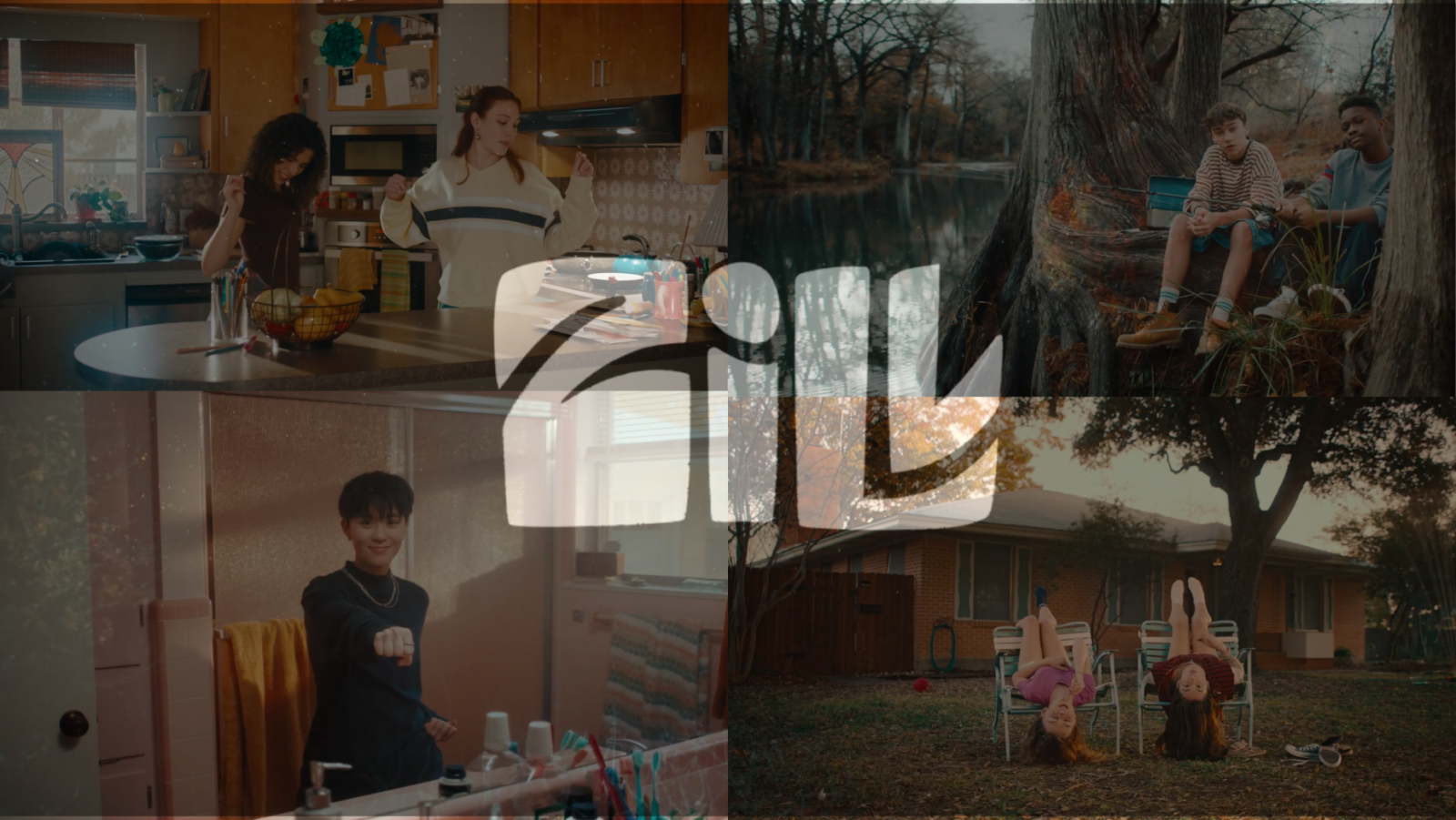
On World Teen Mental Wellness Day, the Ad Council has expanded its “Love, Your Mind” initiative by introducing “zill,” a new term encouraging teens to celebrate everyday actions that support mental wellbeing. Developed with young creators, the campaign uses films, social platforms and a digital hub to promote peer-led conversations around mental health.
The Ad Council has launched a fresh phase of its youth-focused mental wellbeing campaign on World Teen Mental Wellness Day, unveiling a new concept designed to help young people speak more openly and positively about their mental health. The initiative introduces a new word — “zill” — intended to give teenagers a simple, relatable way to describe everyday actions that support their mental wellbeing.
The effort forms part of the Council’s ongoing “Love, Your Mind” initiative, which seeks to reshape how young people engage with conversations about mental health. The term “zill”, inspired by the word “resilience”, is defined as any action that shows love to one’s mind — whether on good days, bad days or the ordinary days in between.
The campaign emerges from research conducted by the Ad Council in December 2025, which found that 70 per cent of teenagers reported experiencing mental health struggles within the previous six months. Despite this, more than half of those surveyed — 56 per cent — said they were unsure what actively caring for their mental health actually looks like in everyday life.
The research also highlighted a growing sense of fatigue among teenagers towards traditional mental health messaging. Many respondents said they felt overwhelmed by the volume of advice and discussion online, which often focuses heavily on struggles and crises rather than everyday wellbeing. The new campaign aims to counter that by focusing on simple, positive actions that help young people care for their minds.
“Teens told us loud and clear: they don’t want another lecture about mental health,” said Lisa Sherman, president and chief executive of the Ad Council. “They want language and tools that feel real to them. We’re thrilled to collaborate with teens themselves to offer them a way to name the everyday actions that support their wellbeing so they can look out for themselves and each other.”
The word “zill” was developed through co-creation sessions and testing with teenagers and young adults. The collaborative process was designed to ensure the concept felt authentic and empowering rather than prescriptive. Early participants said the word’s flexibility allowed it to encompass a wide range of everyday activities — from creative hobbies and social moments to quiet reflection.
To introduce the concept to a wider audience, the Ad Council has partnered with teen and young adult digital creators who will share their own examples of “zilling”. Through social media channels under the handle @LetsZill, the campaign will offer short videos, posts and resources designed with teenagers’ voices at the centre.
The campaign also includes a series of short films portraying real moments from teenagers’ lives that illustrate what “zilling” can look like. Activities such as dancing, fishing, stargazing, laughing with friends or simply taking a moment to breathe are depicted as small but meaningful ways to care for one’s mental wellbeing.
The films were directed by the creative duo Mister through Greenpoint Pictures and developed on a pro bono basis by BBDO New York. One of the launch films, titled “Zill is Laughing”, shows two friends hanging out upside down together while sharing a spontaneous moment of laughter.
According to BBDO New York creative directors Mikayla Lapierre and Laura Vancil, the campaign’s development relied heavily on listening to young people themselves. “From day one, we knew this couldn’t feel like a traditional campaign,” they said in a joint statement. “Teens don’t want to be patronised — they want agency. By co-creating with them, we learned how to show up in their world, on their terms.”
As with many Ad Council initiatives, the campaign will benefit from donated media placements across the United States. The creative will run across broadcast television, online video, cinema advertising, audio platforms and digital media channels. Media strategy and partner outreach were handled by Initiative.
Campaign content directs young audiences to zill.org, a newly launched digital platform designed as a peer-to-peer learning environment. On the site, teenagers can explore short videos and audio content created by other young people, with contributions reviewed by mental health experts to ensure accuracy and safety.
The platform has been built with strict privacy and security protections and includes gamified features intended to encourage habit formation and ongoing self-reflection. By placing teenagers at the centre of the conversation, the Ad Council hopes the initiative will transform how young people think about mental wellbeing — shifting the focus from crisis to everyday care.
Ultimately, the campaign’s creators believe the new word may help normalise mental health conversations in a way that feels organic to young people themselves. If successful, “zill” could become not just a campaign slogan, but a shared language through which teens recognise and celebrate the small moments that strengthen their minds.
Discover more from Creative Brands Mag
Subscribe to get the latest posts sent to your email.














Leave a comment