


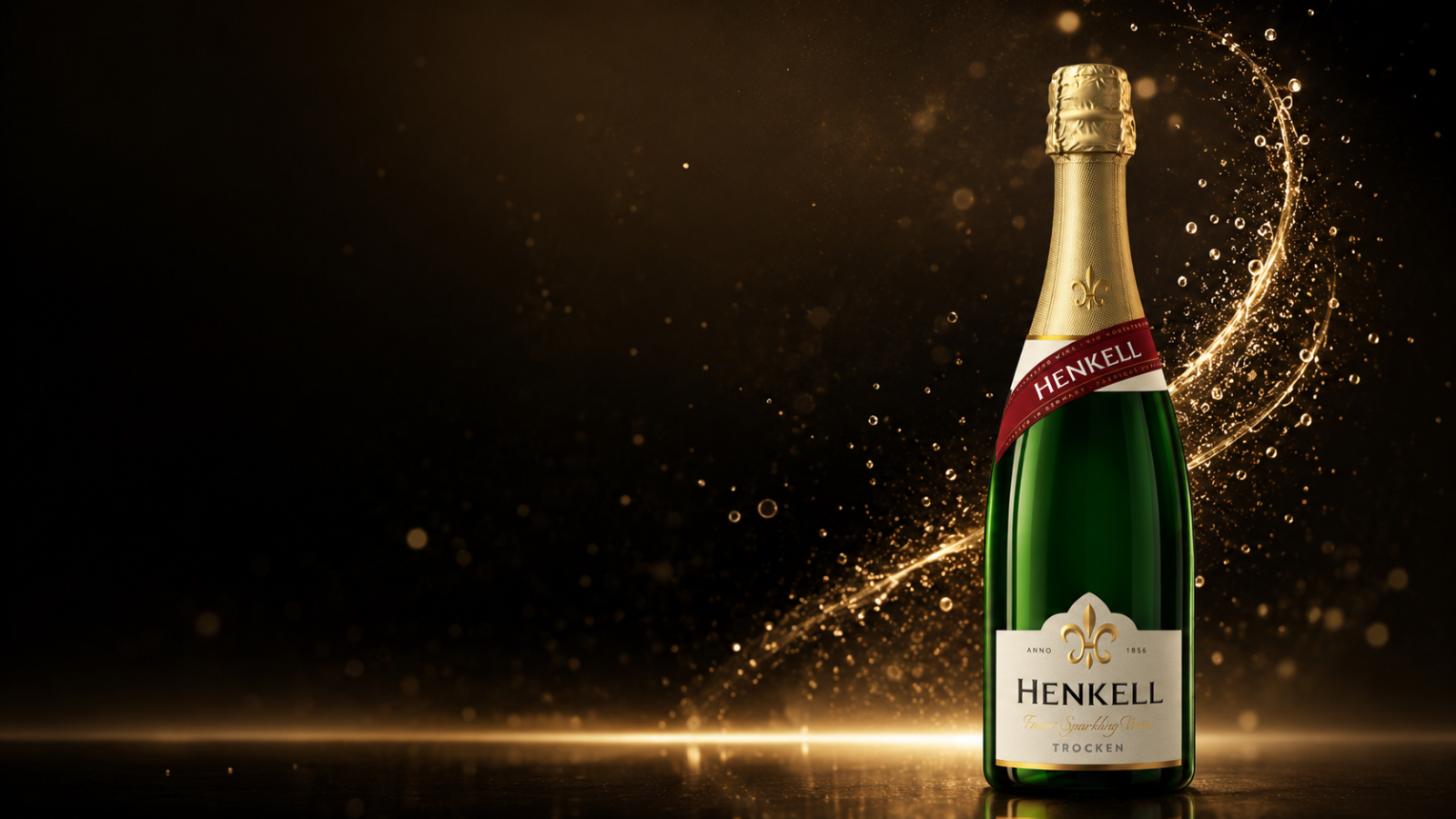
Independent design agency Hunt Hanson has unveiled a sweeping rebrand for Henkell, refreshing the historic sparkling wine label with a refined monogram, updated visual identity and modern luxury positioning. The redesign aims to honour the brand’s 170-year heritage while appealing to younger global consumers seeking sophistication, authenticity and timeless celebration.
For more than 170 years, Henkell has stood as one of Europe’s most recognisable sparkling wine names, balancing the finesse of French cuvée craftsmanship with the precision and discipline associated with German winemaking. Now, the celebrated brand is stepping into a new era with a comprehensive redesign created by independent brand design agency Hunt Hanson, a move intended to preserve its rich heritage while making it resonate with a modern luxury audience.


The redesign represents far more than a cosmetic update. It is a strategic reinvention of one of sparkling wine’s most established identities, carefully modernised to maintain the prestige and familiarity that generations of consumers associate with the Henkell name. Hunt Hanson’s approach sought to refine the brand’s visual language without severing its connection to the traditions that helped define it across nearly two centuries.
At the heart of the transformation is a newly crafted monogram that reinterprets Henkell’s historic identity in a contemporary form. The monogram becomes both a visual signature and a symbol of continuity, bridging the brand’s past with its ambitions for the future. Elegant typography, refined detailing and a more luxurious overall aesthetic work together to position Henkell within a premium global sparkling wine market that has become increasingly competitive and visually driven.
Luxury drinks branding has undergone significant change in recent years, with consumers expecting heritage brands to deliver authenticity while also appearing relevant in contemporary retail and digital environments. Packaging is no longer merely functional; it is central to storytelling, shelf appeal and social visibility. Hunt Hanson’s redesign acknowledges this shift, creating a visual identity designed to perform equally well in supermarkets, premium bars, online platforms and celebratory social moments shared across digital media.
The refreshed look also reinforces Henkell’s positioning as a sparkling wine rooted in European sophistication. By emphasising craftsmanship and elegance through modern design cues, the brand hopes to strengthen its appeal among younger consumers who value both tradition and contemporary style. The redesign carefully avoids abandoning recognisable brand assets, instead elevating them through subtle refinements that create a cleaner and more premium visual experience.
Industry observers note that heritage alcohol brands increasingly face the challenge of remaining culturally relevant without losing credibility among loyal consumers. In this environment, redesigns require a delicate balance between evolution and preservation. A dramatic departure risks alienating established audiences, while overly cautious changes can leave brands appearing dated. Hunt Hanson’s work for Henkell appears to navigate that tension by modernising the brand language while retaining core visual elements associated with celebration and refinement.
The sparkling wine category itself has witnessed considerable transformation over the past decade. Premiumisation trends have encouraged consumers to seek products associated with craftsmanship, provenance and elevated experiences. Sparkling wines are no longer reserved solely for weddings and formal occasions; they are increasingly positioned as accessible luxuries suitable for everyday celebrations. This broader cultural shift has intensified competition among established European producers as well as emerging international brands.
Against that backdrop, visual identity has become a decisive factor in brand differentiation. Consumers encountering bottles in crowded retail environments often make split-second decisions influenced by design, symbolism and perceived prestige. The new Henkell identity aims to communicate confidence, elegance and timelessness instantly, helping the brand maintain visibility in an increasingly image-conscious market.
For Hunt Hanson, the project also reinforces the growing influence of independent agencies in shaping global brand narratives. Independent creative firms have increasingly challenged larger network agencies by offering highly focused strategic thinking and distinctive design approaches tailored to heritage and luxury sectors. The Henkell redesign demonstrates how specialist agencies are helping legacy brands adapt to rapidly changing consumer expectations without sacrificing authenticity.
The redesign extends beyond the logo and packaging. It reflects a broader effort to sharpen Henkell’s overall brand expression, from typography and colour systems to storytelling and premium cues. Every detail has been calibrated to communicate refinement and consistency across international markets where consumer perceptions of luxury continue to evolve.
As global drinks brands compete not only on quality but also on emotional resonance and visual sophistication, Henkell’s new identity signals a clear ambition to remain culturally relevant for decades to come. By reimagining familiar elements through a contemporary lens, Hunt Hanson has attempted to ensure that the sparkling wine brand retains its historic prestige while feeling unmistakably modern.
For a company with a 170-year legacy, reinvention is never simply about changing appearances. It is about reaffirming values, refreshing relevance and ensuring that heritage continues to sparkle in an era defined by constant visual and cultural transformation.
Discover more from Creative Brands Mag
Subscribe to get the latest posts sent to your email.












Leave a comment