


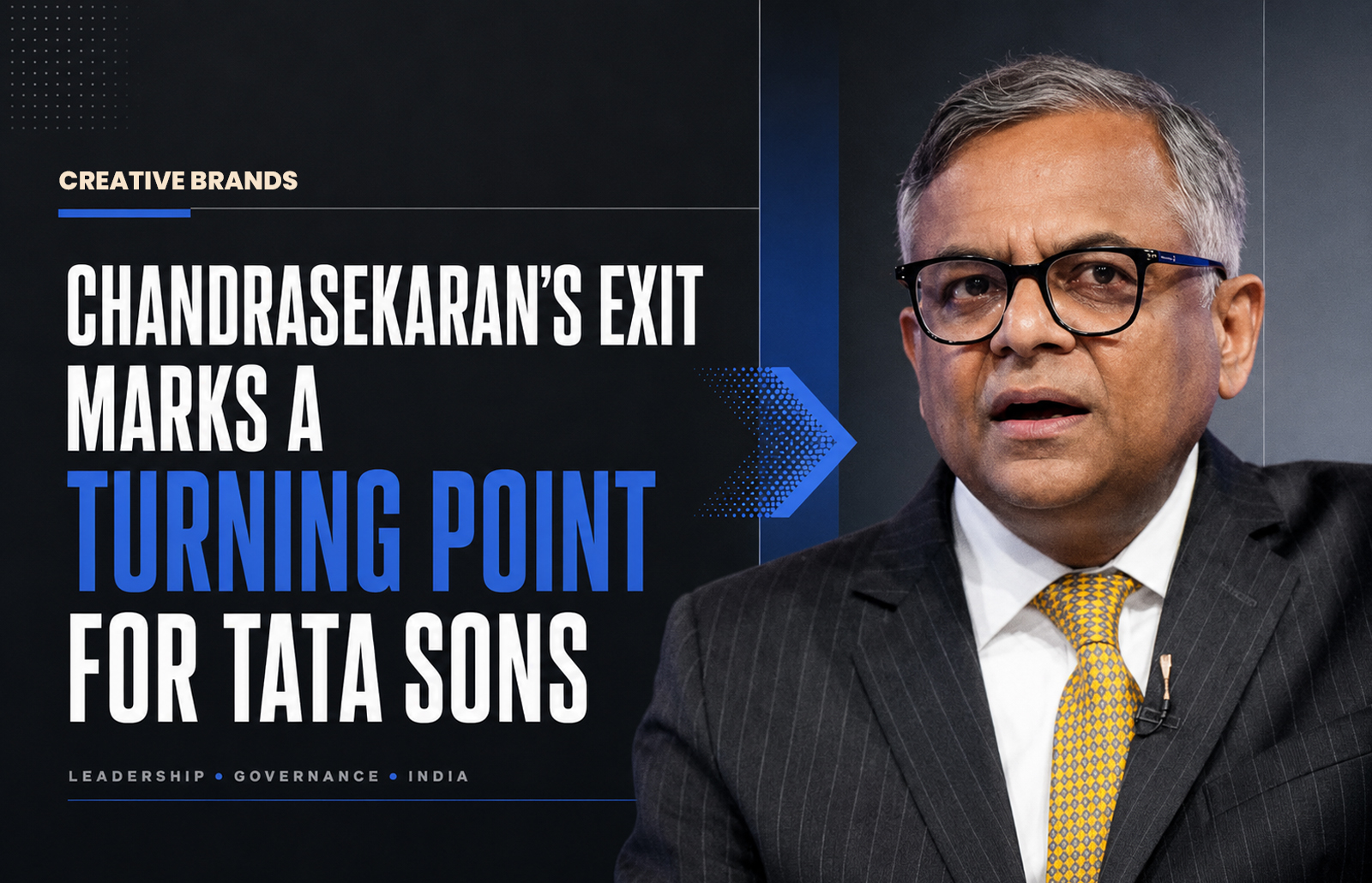
N Chandrasekaran has resigned as Chairman of Tata Sons, though he will serve until February 2027. His departure follows disagreements with Tata Trusts over governance and debt strategy, ahead of a crucial shareholder vote. The move signals a significant leadership shift for the $400 billion conglomerate he helped modernise.
N Chandrasekaran’s decision to step down as Chairman of Tata Sons, while continuing until his term ends in February 2027, has sent ripples across India’s corporate landscape. His resignation, tendered on 12 August, comes amid mounting tensions with Tata Trusts, which holds a majority stake in Tata Sons, and just days before a shareholder vote on his reappointment. The timing underscores the depth of the rift between the board and the Trusts, led by Noel Tata, over issues ranging from debt management to the group’s aggressive diversification strategy.
During Chandrasekaran’s tenure, Tata Group transformed into a modern conglomerate, expanding into airlines, semiconductors, batteries, and digital businesses. Revenues doubled from ₹7.89 lakh crore in FY20 to ₹16.24 lakh crore in FY26, while profits surged fivefold to ₹1.71 lakh crore. Yet, despite these achievements, Tata Trusts expressed unease over the pace of expansion and the risks associated with newer ventures.
The market reacted sharply to the announcement, with shares of Tata companies falling across the board. TCS dropped 4 per cent, Tata Motors Passenger Vehicles fell 4 per cent, and Tata Consumer Products and Tata Power each slipped around 2 per cent. Investors, accustomed to Chandrasekaran’s steady hand, now face uncertainty over the group’s future direction.
The episode evokes memories of the 2016 ouster of Cyrus Mistry, when Tata Sons’ board removed him following disagreements with Ratan Tata. Chandrasekaran, who rose through the ranks after joining Tata Consultancy Services in 1987 and later becoming its CEO, was seen as a stabilising force after that turbulent period. His departure, however, suggests that governance disputes remain unresolved at the heart of the Tata empire.
As Tata Sons prepares for a leadership transition, questions loom over who will succeed Chandrasekaran and how the conglomerate will balance ambition with caution. For now, his legacy is one of bold expansion and digital transformation, achievements that reshaped the group but also sparked the very debates that led to his exit.
Discover more from Creative Brands Mag
Subscribe to get the latest posts sent to your email.















Leave a comment