


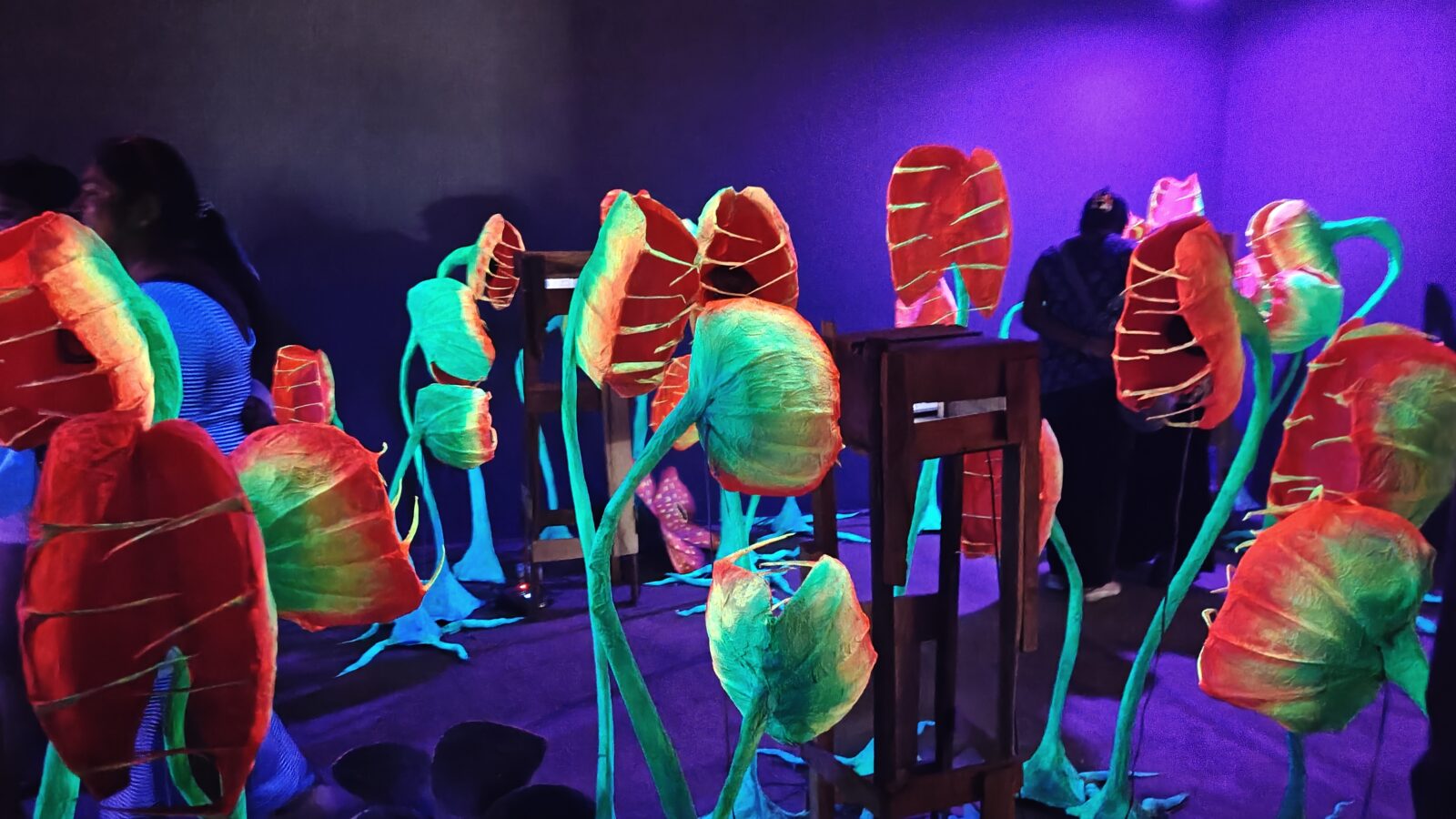
World Art Day, observed on April 15, highlights art’s enduring role in shaping culture, dialogue and human connection. As technology and artificial intelligence redefine creative boundaries, the meaning, purpose and future of art are being questioned, especially in India, where tradition and innovation intersect in compelling and transformative ways.
On April 15 each year, the world pauses to celebrate creativity in its purest and most complex forms. World Art Day, proclaimed by UNESCO during its 40th General Conference in 2019, is more than a symbolic observance; it is a reminder of the profound role art plays in shaping societies, nurturing imagination and sustaining cultural dialogue across borders.
Art, in its simplest definition, is an expression of human creativity and imagination, manifested in visual, auditory or performative forms. Yet, this definition barely scratches the surface. Art is not merely what is created—it is what is felt, interpreted and remembered. It is the cave painting that captured early human existence, the classical ragas that echo centuries of Indian tradition, the protest graffiti that challenges authority, and the digital illustrations that now flood social media platforms. Art is both timeless and transient, deeply personal yet universally resonant.
The need for art is as old as humanity itself. Long before language evolved into structured communication, early humans used symbols, colours and forms to narrate their stories. Art became a way to record experiences, express emotions and make sense of an unpredictable world. In modern society, where information is abundant and attention spans are fragmented, art continues to serve as a grounding force. It slows us down, compels reflection and offers perspectives that data and statistics often cannot.
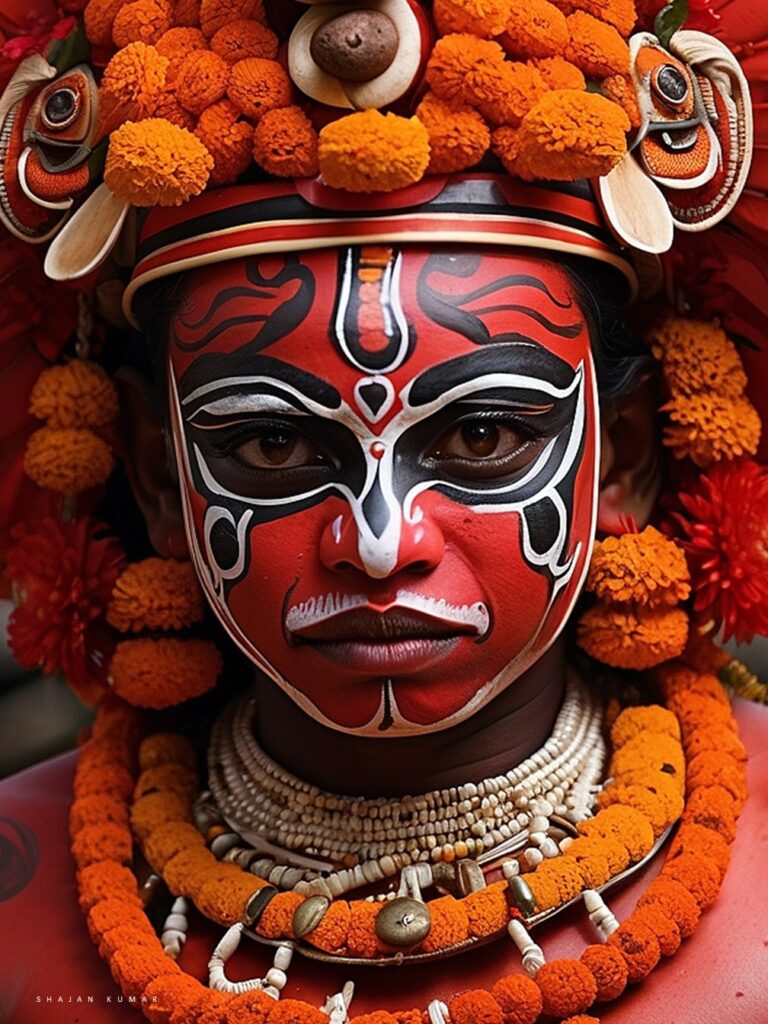
Beyond aesthetics, art plays a crucial role in cognitive and emotional development. It nurtures creativity and innovation—skills that are increasingly valued in a rapidly changing global economy. In classrooms, art encourages children to think beyond rigid frameworks, fostering problem-solving abilities and emotional intelligence. In communities, it becomes a tool for inclusion, allowing marginalised voices to be heard and understood. Art does not demand uniformity; instead, it celebrates diversity in thought, form and expression.
At its core, art is about human connection. It bridges gaps between cultures, languages and generations. A painting created in one corner of the world can evoke emotions in someone thousands of miles away. A piece of music composed decades ago can still resonate with contemporary audiences. This universality is what makes art indispensable. It allows individuals to find common ground, even in times of conflict and division.
In India, this connection is particularly profound. The country’s artistic heritage spans millennia, from the intricate carvings of temple architecture to the vibrant storytelling traditions of folk theatre. Art in India has always been intertwined with daily life, spirituality and social structures. It is not confined to galleries or elite spaces; it exists in festivals, rituals and everyday practices. Whether it is the meticulous patterns of kolam drawn at doorsteps or the elaborate choreography of classical dance forms, art is woven into the cultural fabric of the nation.
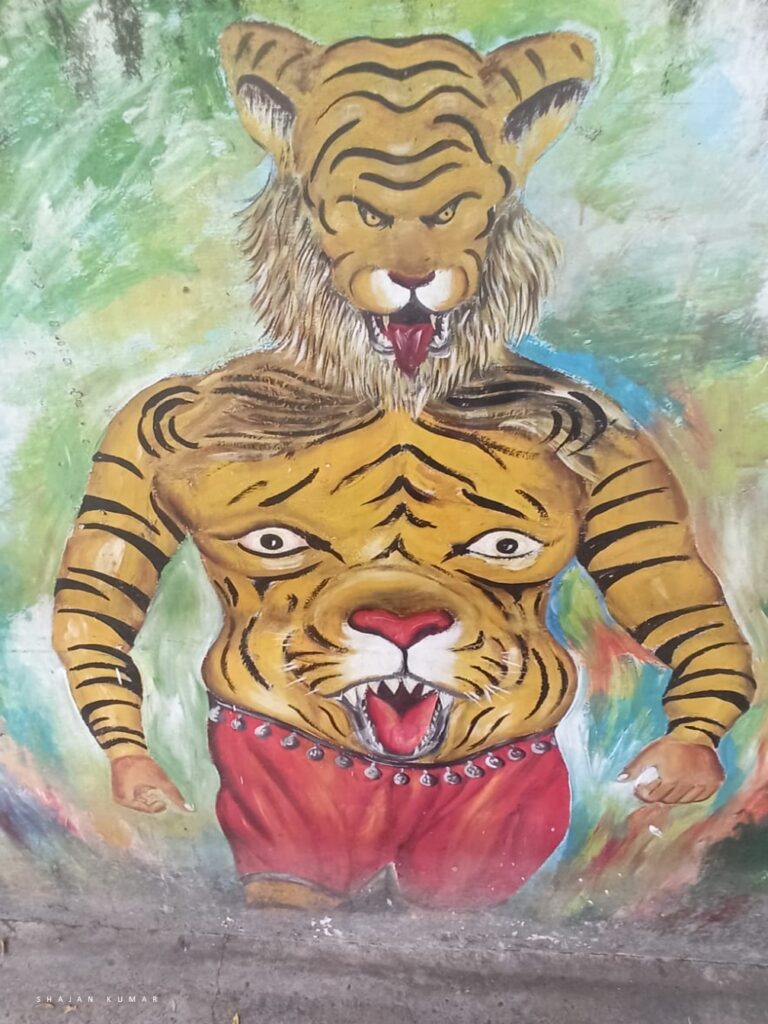
However, the landscape of art is undergoing a dramatic transformation. Technology has redefined how art is created, consumed and distributed. The rise of digital tools has democratised creativity, enabling individuals without formal training to experiment and share their work with global audiences. Social media platforms have become virtual galleries, where artists can gain visibility without relying on traditional gatekeepers.
This technological shift has also blurred the boundaries between different art forms. Photography merges with graphic design, music blends with visual storytelling, and immersive experiences combine elements of cinema, gaming and performance. Virtual reality and augmented reality are pushing the limits of artistic expression, allowing audiences to step inside artworks and interact with them in unprecedented ways.
Yet, perhaps the most disruptive force in contemporary art is the rapid advancement of artificial intelligence. AI-generated art, once a novelty, has now become a significant presence in the creative ecosystem. Algorithms can analyse vast datasets of existing artworks and generate new pieces within seconds. From portraits that mimic classical styles to abstract compositions that challenge conventional aesthetics, AI is reshaping the definition of authorship and originality.
This “invasion” of artificial intelligence into art has sparked intense debate. Critics argue that AI lacks the emotional depth and lived experience that define human creativity. They question whether art generated by machines can truly be considered art, or if it is merely a sophisticated form of replication. There are also concerns about intellectual property, as AI systems often rely on existing artworks for training, raising ethical questions about ownership and consent.
On the other hand, proponents view AI as a tool rather than a replacement. They argue that technology has always influenced art, from the invention of the camera to the development of digital editing software. In this context, AI is simply the next step in an ongoing evolution. It can assist artists in exploring new ideas, automating repetitive tasks and expanding creative possibilities. Rather than diminishing human creativity, AI has the potential to enhance it.
For many contemporary artists, the relationship with AI is collaborative. They use algorithms to generate initial concepts, which are then refined and contextualised through human intervention. This interplay between machine and human creativity challenges traditional notions of authorship, suggesting that art can be a collective process involving both organic and artificial intelligence.
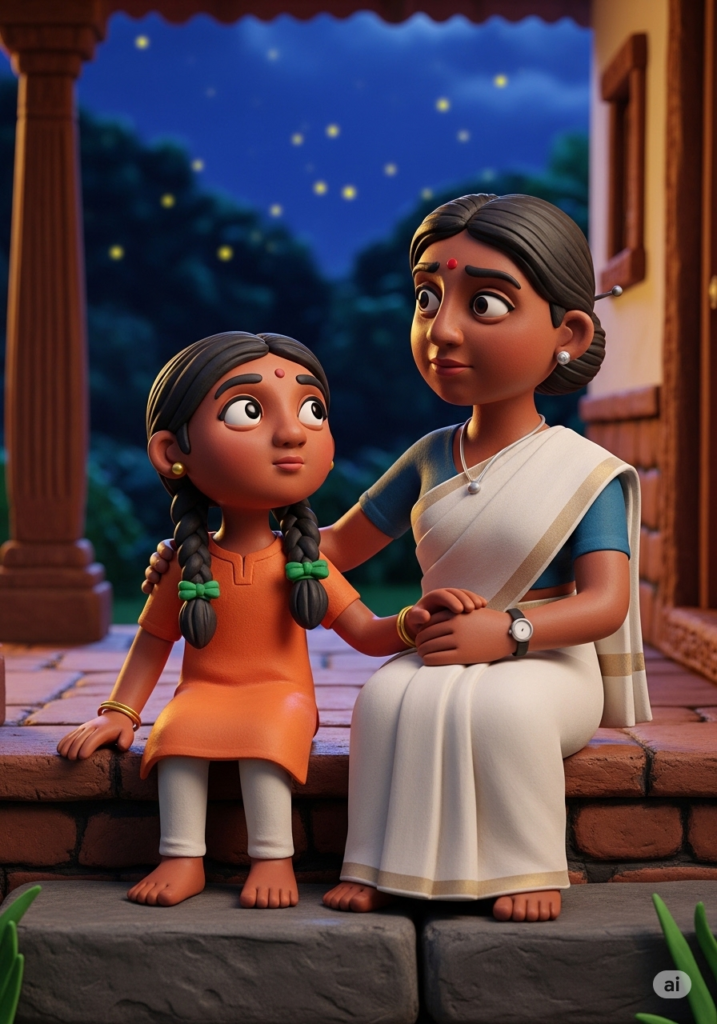
In India, the impact of AI on art is particularly intriguing. The country’s creative industries are at a crossroads, where rich cultural traditions meet cutting-edge technology. Indian artists are increasingly experimenting with AI tools, blending classical motifs with digital techniques to create hybrid forms of expression. This fusion reflects a broader cultural dynamic, where tradition is not abandoned but reinterpreted in contemporary contexts.
At the same time, there is a growing awareness of the need to preserve artistic heritage. As digital art gains prominence, efforts are being made to document and promote traditional art forms that are at risk of fading into obscurity. Initiatives aimed at supporting local artisans and integrating traditional techniques into modern design are gaining traction. In this sense, the future of art in India is not about choosing between the old and the new, but about finding a balance between them.
Education will play a crucial role in shaping this future. Encouraging interdisciplinary learning, where art intersects with technology, science and social studies, can prepare the next generation of artists for a rapidly evolving landscape. Equally important is the need to foster critical thinking, enabling individuals to question and interpret the art they encounter, rather than passively consuming it.
The economic dimension of art is also evolving. The rise of digital marketplaces and blockchain technology has introduced new ways for artists to monetise their work. Non-fungible tokens (NFTs), for instance, have created opportunities for digital artists to establish ownership and authenticity in an otherwise easily replicable medium. While this space is still developing and not without controversy, it signals a shift in how art is valued and traded.
Despite these changes, the essence of art remains unchanged. It continues to be a reflection of human experience, shaped by the social, political and cultural contexts in which it exists. Whether created with a brush, a chisel or an algorithm, art carries the imprint of its time.
World Art Day serves as a reminder to protect and promote artistic freedom. In many parts of the world, artists face censorship, financial constraints and limited access to platforms. Supporting art means creating environments where creativity can thrive without fear or restriction. It means recognising the value of art not just as a form of entertainment, but as a vital component of a healthy and inclusive society.
The question is not if art will survive in the age of AI, but how it will change. The integration of technology into creative processes is inevitable, but it does not diminish the importance of human imagination. If anything, it highlights the unique qualities that define us—our ability to feel, to empathise and to create meaning.
In India, this evolution presents both challenges and opportunities. The country’s diverse artistic traditions provide a rich foundation for innovation, while its growing technological capabilities offer new avenues for expression. By embracing both, India can position itself as a leader in the global art landscape, where heritage and innovation coexist in dynamic and meaningful ways.
Ultimately, art is not confined to definitions or boundaries. It is a living, breathing entity that adapts to its surroundings. On World Art Day, as we celebrate the myriad forms of artistic expression, we are also reminded of our shared humanity. In a world increasingly shaped by technology, art remains a powerful reminder of what it means to be human.
Discover more from Creative Brands Mag
Subscribe to get the latest posts sent to your email.











Leave a comment